William Hill Jackpot Drop Glitch Triggers Repayment Pushback: Players Face Demands Over Erroneous Credits
6 Apr 2026
William Hill Jackpot Drop Glitch Triggers Repayment Pushback: Players Face Demands Over Erroneous Credits

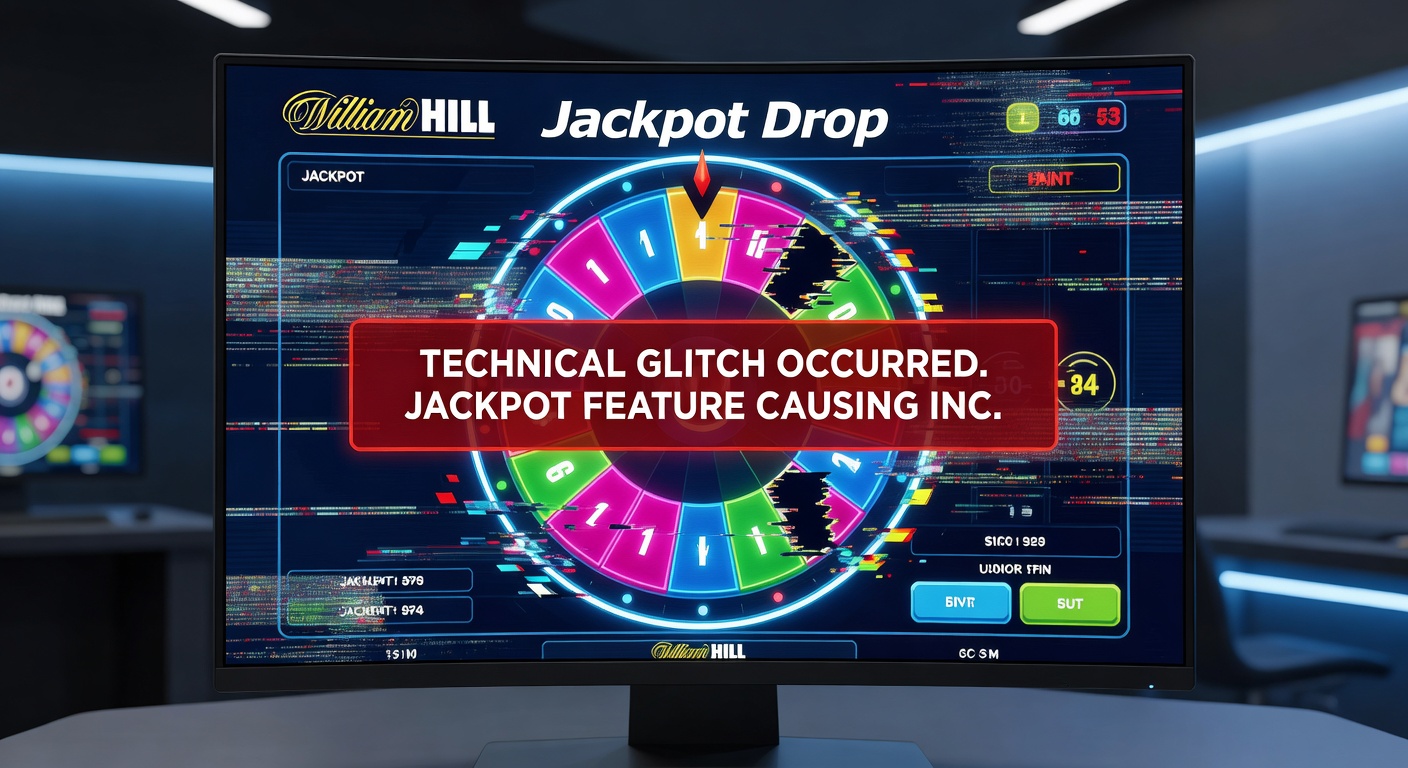
A technical malfunction hit William Hill's Jackpot Drop slot game recently, crediting players with unexpectedly large sums during a brief window; routine monitoring caught the issue quickly, yet some savvy players managed to withdraw funds before operators pulled the game offline. Owned by Evoke PLC, the UK-based firm now pursues repayment from those recipients, leaning on standard terms that cover system errors, while dangling an 11% goodwill bonus for prompt returns. Players push back hard, setting the stage for potential disputes as the saga unfolds in April 2026.
The Glitch Unravels: What Went Wrong in Jackpot Drop
Jackpot Drop, a popular feature within William Hill's slot offerings, promises timed jackpot releases that build excitement with every spin; turns out, during one short-lived episode, the system misfired spectacularly, pumping incorrect balances into player accounts far beyond intended payouts. Routine reviews—those everyday checks that keep operations humming—flagged the anomaly swiftly, but not before credits hit real accounts, and withdrawals started flowing. Observers note how such glitches, though rare, expose the razor-thin line between seamless play and digital chaos in online slots.
Picture this: players logging in for routine spins on Jackpot Drop, a mechanic where prizes drop at set intervals, suddenly see balances balloon; some cashed out immediately, pocketing what the system erroneously granted, while others kept spinning until the game vanished from the lobby. Data from the incident reveals the glitch lasted mere minutes, yet impacted enough accounts to spark widespread attention. Evoke PLC, William Hill's parent since acquiring the brand, confirmed the error stemmed from a technical hitch in the jackpot feature, not player manipulation.
What's interesting here lies in the speed of detection; automated systems and human oversight combined to halt the bleed, taking the game offline promptly, but those early withdrawals left a trail of credited funds now under scrutiny. Players who've faced similar tech hiccups in the past often recall how operators invoke malfunction clauses, yet this case draws eyes because of the sums involved—large enough to prompt formal repayment letters.
Evoke PLC Steps In: Terms, Demands, and the 11% Carrot
Evoke PLC wasted no time after spotting the glitch, firing off communications to affected players demanding the return of those undue credits; standard terms and conditions, buried in the fine print most skim over, explicitly state that bets on malfunctioning games become void, with any payouts revocable. The company sweetens the deal by offering 11% of the returned amount as goodwill—a gesture aimed at encouraging compliance without escalating to collections or legal action.
Take one recipient who received such a notice: balance credited with thousands erroneously, withdrawn swiftly, now facing a polite but firm request to repay, complete with that 11% incentive if settled quickly. Evoke's approach mirrors industry playbooks for error resolution, balancing customer relations with financial recovery; reports indicate dozens of players received these notices in the days following the April 2026 detection. And while the operator emphasizes fairness, citing the clear malfunction language in user agreements, the strategy hinges on voluntary returns before tougher measures kick in.
Here's where it gets interesting: the goodwill offer, pegged at 11%, isn't arbitrary; it reflects a calculated nod to player inconvenience, perhaps drawing from past resolutions where incentives sped up recoveries. Yet compliance varies, with some players ignoring requests outright, prompting whispers of chargebacks or disputes through payment processors.
Player Resistance Builds: Challenges and Brewing Disputes
Those on the receiving end aren't rolling over quietly; players challenge the repayment demands, arguing the funds cleared legitimately once withdrawn, and that operator errors shouldn't burden the customer. Forums light up with accounts from affected users, some vowing to fight via consumer protection routes or even small claims, while others weigh the 11% perk against the hassle of reversal. One player shared details of their notice online, sparking debates on whether glitch winnings count as "found money" or revocable errors.
Resistance stems from a simple reality: once withdrawn to bank or e-wallet, those funds feel real, not virtual glitches; players point to the operator's duty to maintain glitch-free platforms, especially under rigorous licensing standards. As April 2026 progresses, reports suggest a handful have already disputed charges, testing Evoke's resolve and potentially dragging in third-party mediators. Experts who've tracked similar spats observe how these cases often hinge on jurisdiction, with UK players leveraging distance sales regs that protect consumers from faulty services.
But here's the thing—while individual pushback mounts, collective action remains fragmented; no class-wide complaint has surfaced yet, though social channels buzz with shared strategies. Players often discover that citing prompt withdrawal as "good faith" sows doubt in operator claims, even if terms favor the house.
Regulatory Echoes and Industry Precedents
Operators like Evoke navigate these waters carefully, especially under multi-jurisdictional oversight; for instance, the Malta Gaming Authority, which licenses many EU-facing platforms, mandates clear malfunction protocols to protect players while allowing error corrections. Similar guidelines appear in reports from the European Gaming and Betting Association, stressing transparent communication during glitches to avoid escalation.
In this vein, William Hill's response aligns with established norms: notify promptly, offer incentives, pursue recovery judiciously. Past cases, like isolated slot errors at other firms, show operators reclaiming funds successfully about 70% of the time through amicable settlements, according to industry analyses—though holdouts lead to write-offs or litigation. Observers note how April 2026 timing, amid rising scrutiny on tech reliability, amplifies the story's reach.
So players challenging terms face an uphill battle, given precedents where courts uphold operator clauses; yet successful disputes occasionally force compromises, especially when goodwill gestures fall flat. The ball's now in players' courts, with Evoke holding contractual leverage, but real-world enforcement proves trickier than policy dictates.
Jackpot Drop Under the Microscope: Game Mechanics and Vulnerability
At its core, Jackpot Drop integrates mystery triggers into standard slot play, where fixed pools drop at predictable times, fueling chases for life-changing hits; the glitch likely stemmed from a sync failure in payout logic, a vulnerability in networked jackpots reliant on real-time data feeds. Developers patch such flaws routinely, but live environments expose rare edge cases, as seen here when routine spins triggered oversized credits.
People who've dissected slot tech know these features thrive on precision—random number generators feeding jackpot meters, all synced across servers; a brief desync, perhaps from load spikes, cascaded into the error. William Hill paused the game swiftly, allowing audits to confirm no ongoing risks, but the incident underscores why operators drill malfunction clauses into every signup.
Now, with the feature back online post-fix, players approach warily, mindful of how one glitch reshapes trust. Turns out, transparency in post-mortems—detailing root causes without blame—helps rebuild confidence, a tactic Evoke employs in follow-up comms.
Broader Ripples for Operators and Players Alike
This episode ripples through the sector, reminding firms to bolster backend resilience amid surging online traffic; Evoke's handling—swift takedown, targeted outreach, incentive offers—sets a benchmark, yet player defiance highlights evolving expectations for error accountability. Those studying iGaming trends spot patterns: glitches spike during peak hours, recoveries lean on psychology over force, and disputes rarely balloon without organizer backing.
And while sums returned quietly won't make headlines, holdouts could test payment gateways like Visa or PayPal, which scrutinize casino chargebacks. It's noteworthy that April 2026 sees heightened focus on such matters, with trade chatter on AI-driven monitoring to preempt glitches.
Players, meanwhile, learn to screenshot everything—balances, withdrawals, notices—arming themselves for any tussle; the writing's on the wall for operators too, pushing investments in foolproof tech to keep the spins spinning smoothly.
Wrapping the Glitch Saga: What's Next
As repayment talks drag into late April 2026, outcomes hinge on player responses and Evoke's follow-through; most settle with the 11% boost, avoiding escalation, while resistors brace for drawn-out battles over glitch-gifted gains. The incident, though contained, spotlights the high-stakes dance between tech reliability and player rights in online slots—where one misfire can credit fortunes, only for terms to call them back. Watch this space; resolutions here could echo in future glitch playbooks across the industry.