7 Jun 2026
Volatility Levels and Their Effects on Slot Bonus Round Designs from Multiple Providers
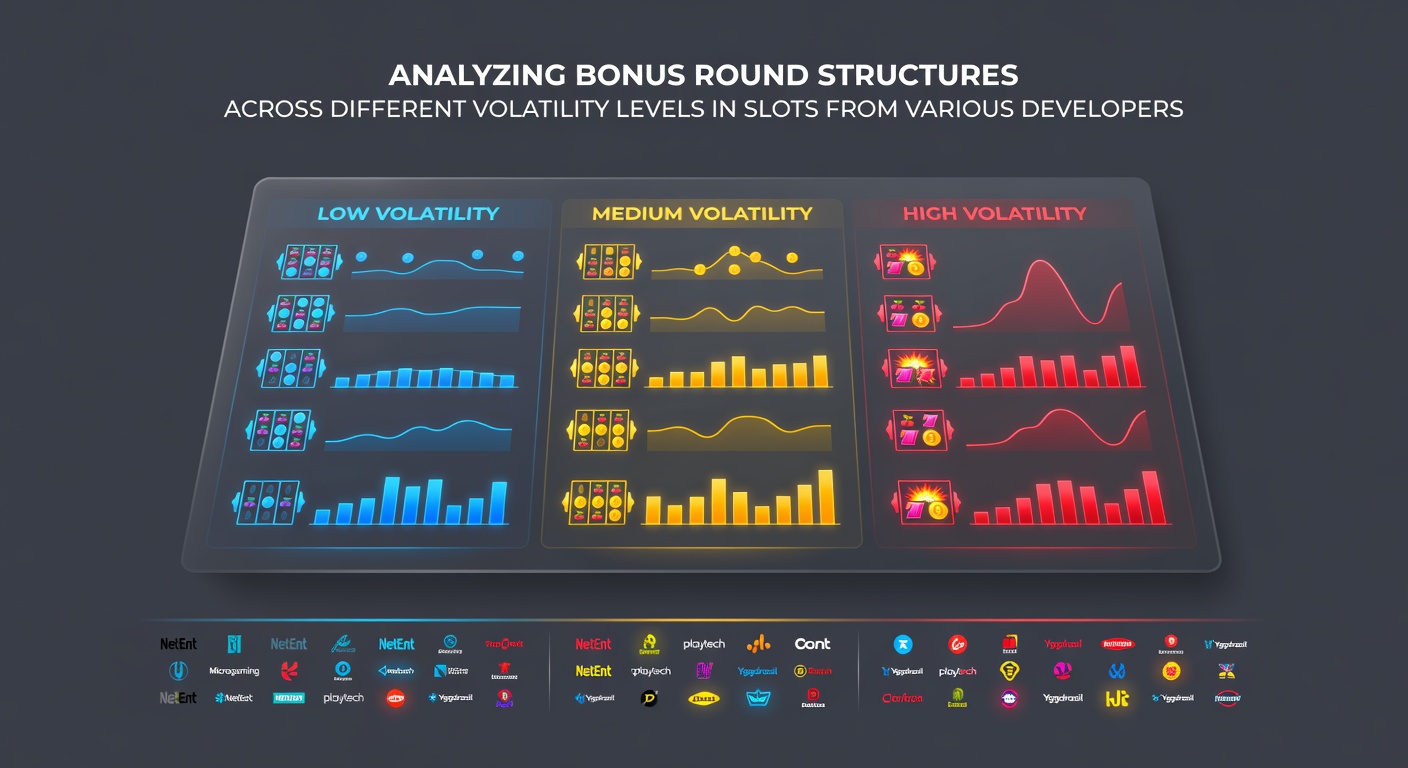
Slot developers structure bonus rounds in ways that align with specific volatility profiles, and this alignment shapes how often players encounter those rounds along with the potential scale of outcomes inside them. Low-volatility titles tend to deliver frequent entry points into bonus features, whereas high-volatility games reserve access for rarer triggers that produce larger average returns when they do activate. Medium-volatility options sit between these poles and often blend steady base-game returns with occasional bonus spikes that do not reach the extremes seen in high-volatility releases.
Low-Volatility Bonus Structures
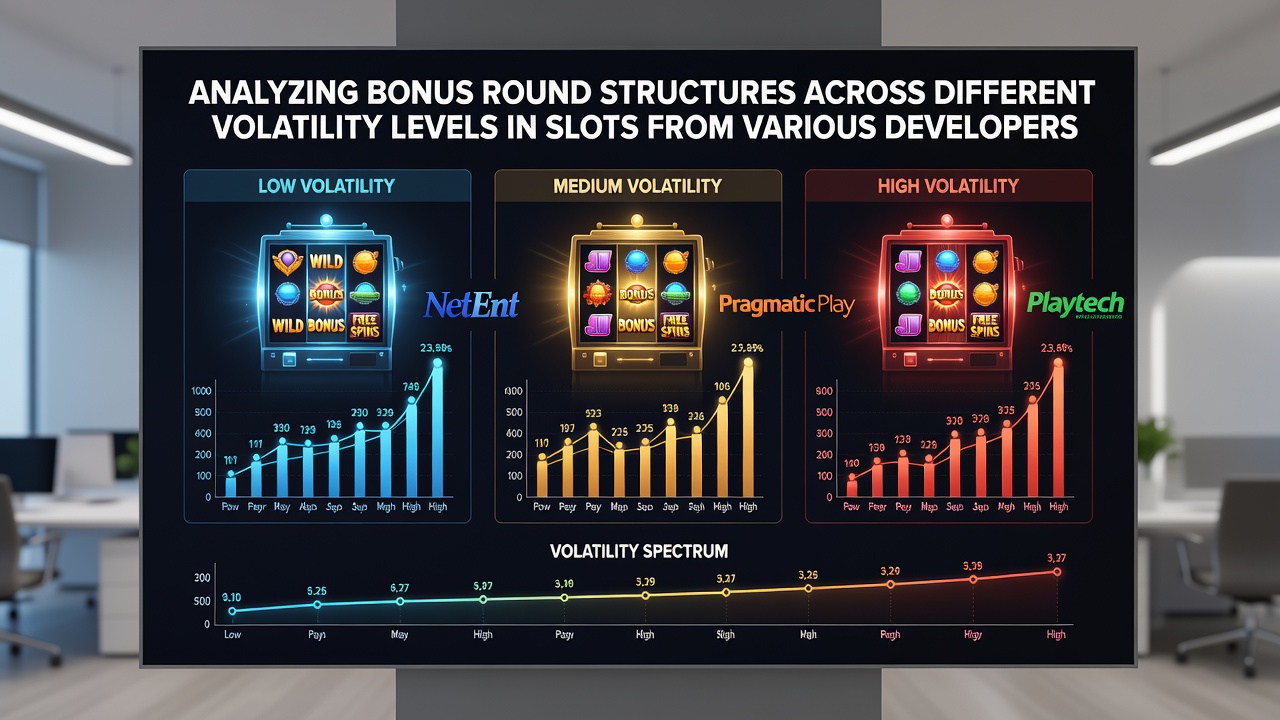
Providers such as NetEnt and Play'n GO commonly embed low-volatility slots with bonus rounds that trigger after relatively few spins, and these rounds typically award smaller fixed multipliers or sets of free spins with modest win multipliers attached. The design keeps the bonus frequency high enough to maintain engagement across extended sessions, while the internal mechanics limit variance inside each round through capped win ceilings or repeated small payouts rather than single large hits. Data compiled by the Nevada Gaming Control Board shows that low-volatility machines in regulated markets post hit frequencies for bonus rounds that exceed those recorded on higher-volatility counterparts by measurable margins.
Medium-Volatility Approaches
Developers including Pragmatic Play and Quickspin adjust bonus round parameters so that entry occurs at intervals between the frequent triggers of low-volatility games and the sparse activations typical of high-volatility titles. Bonus features in this category often incorporate progressive multipliers that build across multiple spins or add extra wild symbols at random intervals, creating outcome distributions that sit between steady accumulation and occasional large jumps. Industry reports from the European Gaming and Betting Association indicate that medium-volatility slots account for a substantial share of total wagers in several European markets because the bonus structures deliver a balance that appeals to a wide range of session lengths.
High-Volatility Designs
Studios like Nolimit City and Big Time Gaming construct bonus rounds in high-volatility slots around infrequent triggers that rely on specific symbol alignments or meter-filling mechanics, and once activated these rounds can deliver multipliers that reach triple digits or introduce expanding reel sets that multiply winning combinations across many positions. The internal mathematics place greater emphasis on rare but substantial outcomes, which produces wider swings in return-to-player figures during any given sequence of bonus plays. Observers note that these structures appear more often in titles released after regulatory updates in various jurisdictions, including changes implemented around June 2026 that affected stake limits and machine configurations in multiple regions.
Developer-Specific Variations
Each provider applies distinct tools when tuning bonus volatility, and these choices appear consistently across their portfolios. Some studios favor respin sequences that lock symbols in place and build toward larger combinations, while others rely on pick-and-click interfaces that reveal hidden multipliers or additional free spins. The resulting bonus structures reflect deliberate calibration rather than random variation, and comparative analyses of paytable data reveal clear patterns in how often each developer places high-value symbols inside bonus modes versus base-game reels. Those patterns help explain why certain studios maintain distinct reputations for producing games that cluster around particular volatility bands.
Regulatory Context and Recent Developments
Market regulators outside the United Kingdom have introduced reporting requirements that track bonus round frequency and average returns, and these requirements generate datasets that researchers use to compare structures across volatility levels. Figures released by the American Gaming Association in early 2026 highlighted shifts in player preference toward titles whose bonus mechanics align with stated volatility ratings, and similar trends surfaced in Canadian provincial reports around the same period. Such data sets allow analysts to verify whether advertised volatility matches observed bonus performance over large sample sizes collected from licensed operators.
Conclusion
Bonus round structures vary systematically with volatility level, and developers apply consistent design principles when matching those structures to target return profiles. Low-volatility games emphasize frequent but contained bonuses, medium-volatility releases balance entry rates with moderate multipliers, and high-volatility options concentrate value in rarer activations that carry higher average rewards. Comparative examination of titles from multiple providers demonstrates that these choices remain stable across different release cycles, including those following regulatory adjustments implemented in June 2026. The resulting patterns supply useful reference points for understanding how volatility influences the overall architecture of slot bonus features.