14 Jul 2026
The Ripple Effect of Reel Randomness: Building Blocks to Major Wins in Gaming Provider Releases
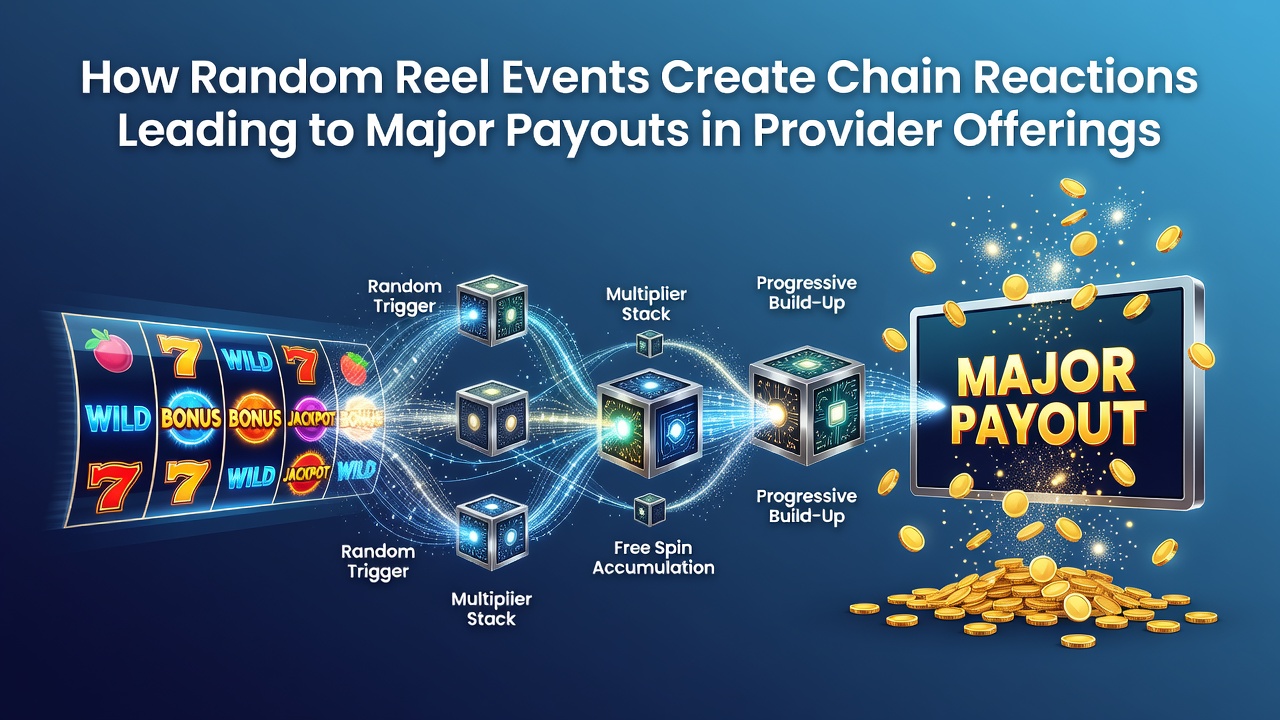
Random reel events function as entry points in slot mechanics, where isolated symbol appearances initiate sequences that expand through interconnected features and data from multiple studio releases shows these patterns recur across different volatility settings. Observers note that such events often combine with existing reel states to multiply outcomes rather than operate in isolation and this layering creates the foundation for larger payout structures observed in provider portfolios.
Core Components of Random Reel Activations
Providers design random triggers through elements like overlaid symbols or position-specific substitutions that activate without player input and these appear during base spins or within ongoing rounds. Research indicates that when a random wild lands it can replace multiple reel positions simultaneously while adjacent mechanics such as expanding frames or symbol conversions take effect in the same spin cycle. The result is an immediate shift in payline potential that carries forward into subsequent evaluations.
Studies from academic gaming labs highlight how these activations differ by provider yet follow similar probability distributions, with higher frequency in medium-volatility titles compared to high-variance options. Data collected through 2025 and into July 2026 reveals consistent implementation across new releases where random events serve as gateways to free spin entries or respin sequences that build upon initial triggers.
Chain Reaction Pathways in Action
Once initiated, a single random event frequently connects to secondary mechanics through shared reel states and this connection allows cascades or tumbles to continue while additional random elements enter play. For instance a mystery symbol reveal might transform into high-value icons that then trigger a multiplier sequence applied across the remaining spins and observers have documented cases where this compounds into extended bonus rounds lasting several cycles. The process relies on the provider's internal random number generator maintaining continuity between steps rather than resetting after each evaluation.
Industry reports from organizations such as the American Gaming Association track how these layered sequences contribute to overall return metrics in regulated markets and findings show that titles emphasizing chained random events maintain player engagement metrics at stable levels even as individual spin outcomes vary widely.
Provider Implementation Patterns
Different studios approach random reel events with distinct toolkits yet the outcome pathways remain comparable and one common method involves pre-determined reel strips that insert trigger symbols at calculated intervals. Another utilizes dynamic overlays that respond to current reel configurations and both approaches allow chain reactions to scale from modest additions to substantial accumulations when multiple features align. Those who analyze provider catalogs note that releases scheduled around mid-2026 continue to refine these systems by incorporating dual-trigger events where two random activations occur within a single evaluation window.
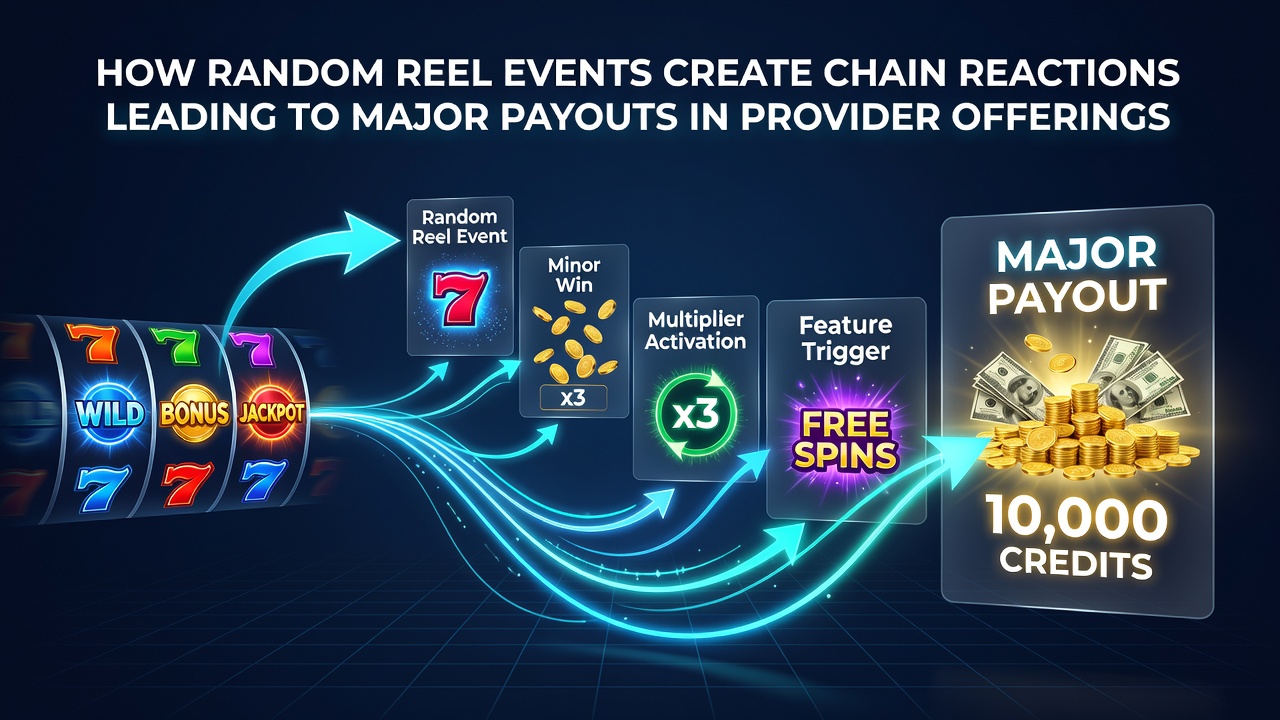
Evidence from simulation studies conducted at institutions including the University of Nevada's gaming research division demonstrates that the probability of extended chains increases when base random events carry forward state information such as persistent multipliers or locked positions. This design choice turns isolated hits into progressive sequences that span multiple reel evaluations and providers integrate these elements to differentiate their offerings while adhering to jurisdictional testing standards.
Factors Influencing Sequence Length and Payout Size
Sequence duration depends on several interlocking variables including reel count, symbol density, and the presence of persistent modifiers and data indicates that games with five or more reels tend to support longer chains because more positions remain available for subsequent random insertions. Volatility settings further modulate outcomes, with lower settings producing more frequent but shorter reactions while higher settings allow rarer yet extended progressions that accumulate larger totals. Regulatory bodies in regions outside the UK such as the Nevada Gaming Control Board publish aggregated performance data that reflects these variations across approved titles.
Additional influences include the timing of feature entries relative to the base game state and when a random event coincides with an already active bonus the combined effect can produce rapid escalation in win potential. Providers document these interactions through internal testing logs that confirm compliance with fairness requirements and external audits verify that the underlying algorithms preserve intended payout distributions over large sample sizes.
Conclusion
Random reel events operate as catalysts within slot architectures where initial triggers connect through shared mechanics to generate compounded sequences and records from provider releases up to July 2026 confirm that these pathways remain central to payout structures across multiple genres. The consistent application of layered features ensures that isolated occurrences translate into extended play cycles with measurable impact on overall return profiles and continued refinement by studios sustains this dynamic across evolving game libraries.