26 Jun 2026
The Hidden Mechanics of Loyalty Tiers: How Casino Reward Systems Shape Free Spin Allocations and Provider Partnerships
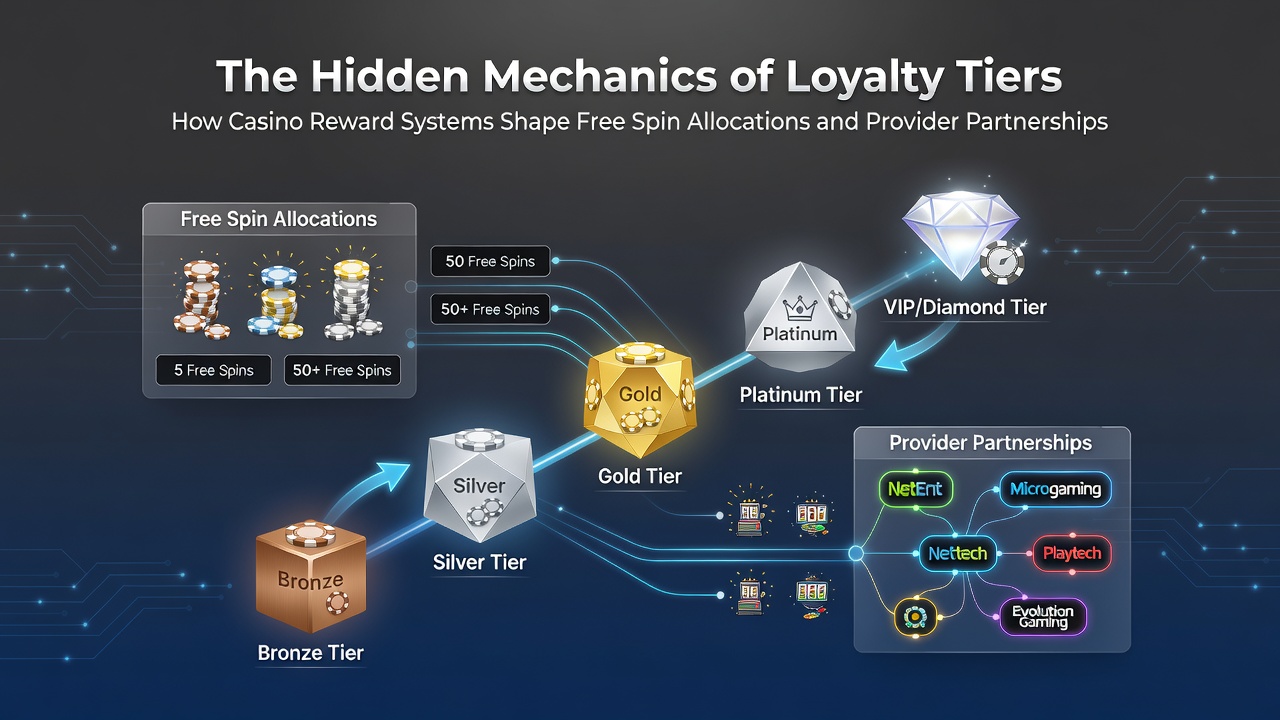
Operators structure loyalty programs through multiple tiers that determine player access to free spins along with other incentives, and these systems connect directly to agreements with game providers who supply the underlying content. Research from the Nevada Gaming Control Board indicates that tiered structures emerged as a response to increased competition in both land-based and digital markets, where operators track player activity through points accumulated from wagers and then convert those points into rewards at rates that vary by tier level.
Lower tiers typically grant limited free spin quantities tied to specific games, whereas higher tiers unlock larger allocations and greater flexibility in game selection. Data from industry reports reveal that points accrual accelerates in upper tiers because operators apply multipliers to base earnings, which in turn influences how frequently players receive spin bundles from particular providers.
Tier Structures and Points Systems
Casino platforms calculate tier progression using a combination of total wagers, session frequency, and deposit volume, with algorithms adjusting thresholds periodically based on player retention metrics. Observers note that silver or bronze levels often require modest activity thresholds, yet gold and platinum stages demand substantially higher volumes that unlock enhanced free spin packages. Those packages frequently feature selections from partnered studios, and the allocation volume scales according to the tier multiplier applied at the time of reward distribution.
Studies conducted by academic researchers at the University of Nevada, Reno, show that operators adjust point-to-reward conversion rates quarterly to balance promotional costs against revenue from continued play, which means players who advance through tiers experience measurable shifts in free spin frequency and value.
Free Spin Allocation Mechanisms
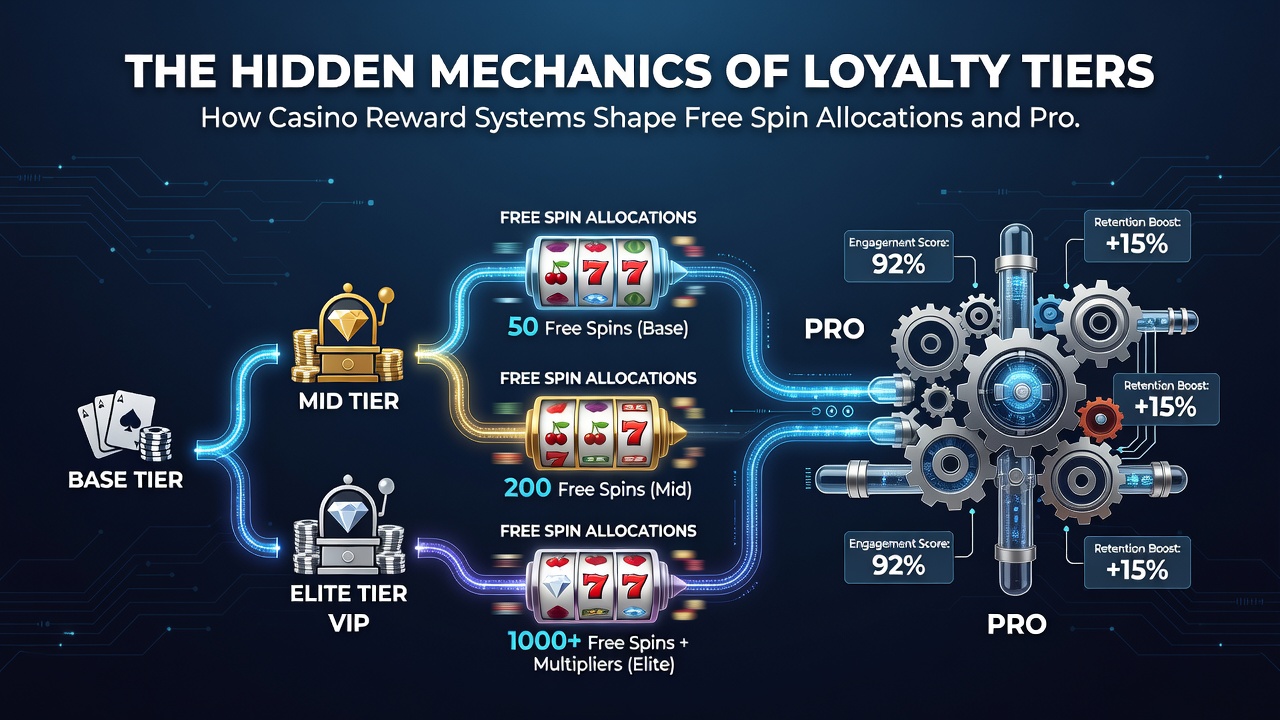
Free spins originate from either automated system triggers or manual promotions, and loyalty tier data feeds into these processes to personalize offerings. Providers embed specific parameters within their games that allow operators to restrict or expand spin quantities according to player status, while backend integrations ensure that higher-tier accounts receive spins linked to higher-volatility titles from the same studio.
Allocations occur through daily login bonuses, milestone achievements, and targeted campaigns, with tier status determining the quantity and the eligible game pool. Figures released by the European Gaming and Betting Association demonstrate that partnerships between operators and providers include clauses specifying minimum free spin volumes for premium tier members, which helps studios maintain consistent engagement across their portfolio.
Provider Partnerships and Integration
Operators negotiate revenue-sharing agreements that incorporate loyalty-driven free spin requirements, and these contracts often specify which titles receive promotional emphasis within each tier. Providers benefit from increased exposure because tiered rewards steer players toward particular games, while operators gain leverage to negotiate better commercial terms by promising volume commitments tied to loyalty activity.
Technical integrations allow real-time updates to spin eligibility based on tier changes, and data exchanges between casino systems and provider servers ensure compliance with allocation rules. In June 2026, several major platforms updated their partnership frameworks to include dynamic free spin scaling that responds to live tier status, reflecting broader industry shifts toward personalized reward delivery.
Those partnerships extend beyond simple content licensing because they encompass co-branded promotions and exclusive spin features available only to higher-tier players, which creates measurable differences in player lifetime value across segments. Research indicates that studios with strong tier integration agreements report higher retention rates for their flagship titles when operators prioritize them in loyalty distributions.
Impact on Player Behavior and Revenue
Players who reach elevated tiers tend to concentrate activity on games featured in their reward pools, and this pattern influences overall wagering distribution across provider catalogs. Operators use tier data to forecast free spin costs and adjust marketing budgets accordingly, while providers monitor redemption rates to refine game mechanics that appeal to loyalty-driven audiences.
Systems track redemption frequency and subsequent deposit behavior, generating datasets that feed back into both tier qualification criteria and partnership negotiations. Evidence from multiple market analyses confirms that these feedback loops strengthen over time as operators refine algorithms to maximize the overlap between high-tier rewards and high-performing provider content.
Conclusion
Loyalty tiers function as interconnected systems that link player activity tracking with reward distribution and provider collaborations, adn the resulting structures shape how free spins reach different player segments. Continued evolution in these mechanics depends on data integration between operators and studios, which ensures allocations align with commercial objectives while maintaining engagement across tier levels.