Reel Sequence Engineering: Maximizing Chain Reactions for Mobile Jackpot Success
Felix Vogel · Aug 2, 2026
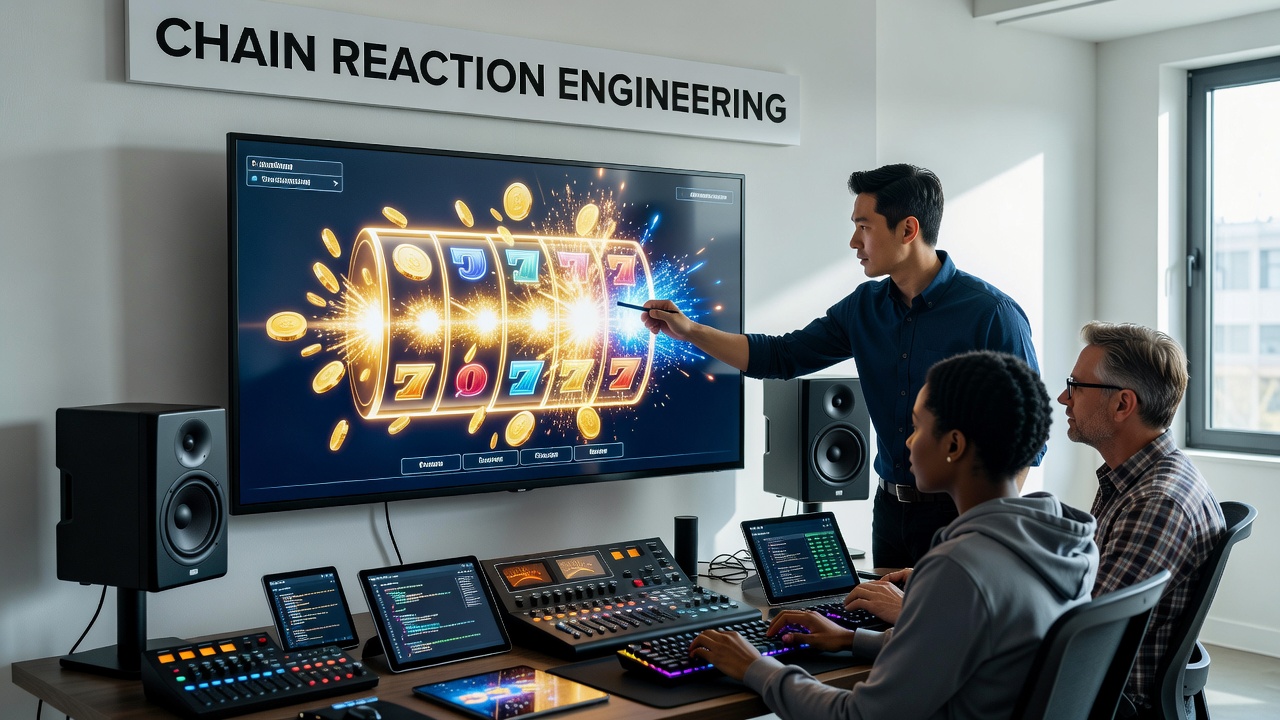
Reel Sequence Engineering: Maximizing Chain Reactions for Mobile Jackpot Success
Studio engineers approach reel sequence design as a precise exercise in probability mapping and player engagement modeling, where each symbol placement contributes to potential chain reactions that trigger jackpot features in mobile environments. Research from the University of Nevada, Las Vegas Center for Gaming Research indicates that optimized sequences can increase bonus activation rates by aligning adjacent symbols to create cascading win opportunities across five-reel or six-reel grids.
Core Principles of Sequence Construction
Engineers begin by defining base reel strips that incorporate weighted symbol distributions, then layer secondary mechanics such as expanding positions or shifting reels to sustain momentum once an initial match occurs. Data from the Nevada Gaming Control Board shows that titles incorporating these layered sequences reported higher average session durations compared to static reel formats during the first half of 2026. The process requires balancing hit frequency against payout volatility so that chain reactions feel attainable without guaranteeing frequent large awards.
Mobile-Specific Constraints and Adjustments
Development teams adjust sequence logic to accommodate smaller touch interfaces and variable network conditions common in mobile play. Shorter animation cycles and reduced symbol count per reel help maintain responsiveness while preserving the mathematical integrity of chain potential. Observers note that engineers frequently test sequences on emulated devices running at different screen resolutions to verify that visual feedback aligns with backend calculations.
One documented case involved a studio revising a six-reel mobile jackpot title after internal testing revealed that chain reactions stalled too often on slower connections. Adjustments included pre-loading animation assets and recalibrating symbol weights to favor mid-tier matches that initiate longer sequences.
Integration with Jackpot Trigger Systems

Jackpot features often depend on specific chain lengths or symbol accumulations that only activate after multiple consecutive reactions. Engineers program reel sequences to prioritize paths that build toward these thresholds, using conditional weighting that increases certain symbols once an initial reaction begins. Industry reports compiled by the European Gaming Association reveal that such conditional systems contributed to a measurable rise in progressive jackpot contributions across participating operators in 2025.
Additional layers include random multipliers applied mid-chain or reel expansions that extend the grid temporarily, both of which extend the duration of a single spin cycle. These elements require careful calibration so that the underlying random number generator remains compliant with regional testing standards.
Testing and Iteration Cycles
Teams conduct thousands of simulated spins to map chain reaction probabilities before submitting builds for third-party certification. Analysts track metrics such as average chain length, frequency of jackpot qualifiers, and player drop-off points after failed sequences. Findings from these simulations guide further refinements to reel order and symbol distribution.
By August 2026 several studios had adopted machine-learning tools to accelerate this iteration process, allowing rapid identification of underperforming sequence patterns across large datasets. The approach reduces manual review time while maintaining the transparency required by regulators.
Conclusion
Effective reel sequence engineering combines mathematical modeling, platform-specific optimization, and iterative testing to produce chain reactions that sustain player engagement in mobile jackpot games. As development tools and regulatory expectations continue to evolve, studios maintain focus on delivering sequences that deliver consistent, verifiable outcomes across diverse devices and markets.