Reel Kings Crowned: Leaderboard Tournaments Turning Casual Spins into Competitive Cash Fights
25 Mar 2026
Reel Kings Crowned: Leaderboard Tournaments Turning Casual Spins into Competitive Cash Fights
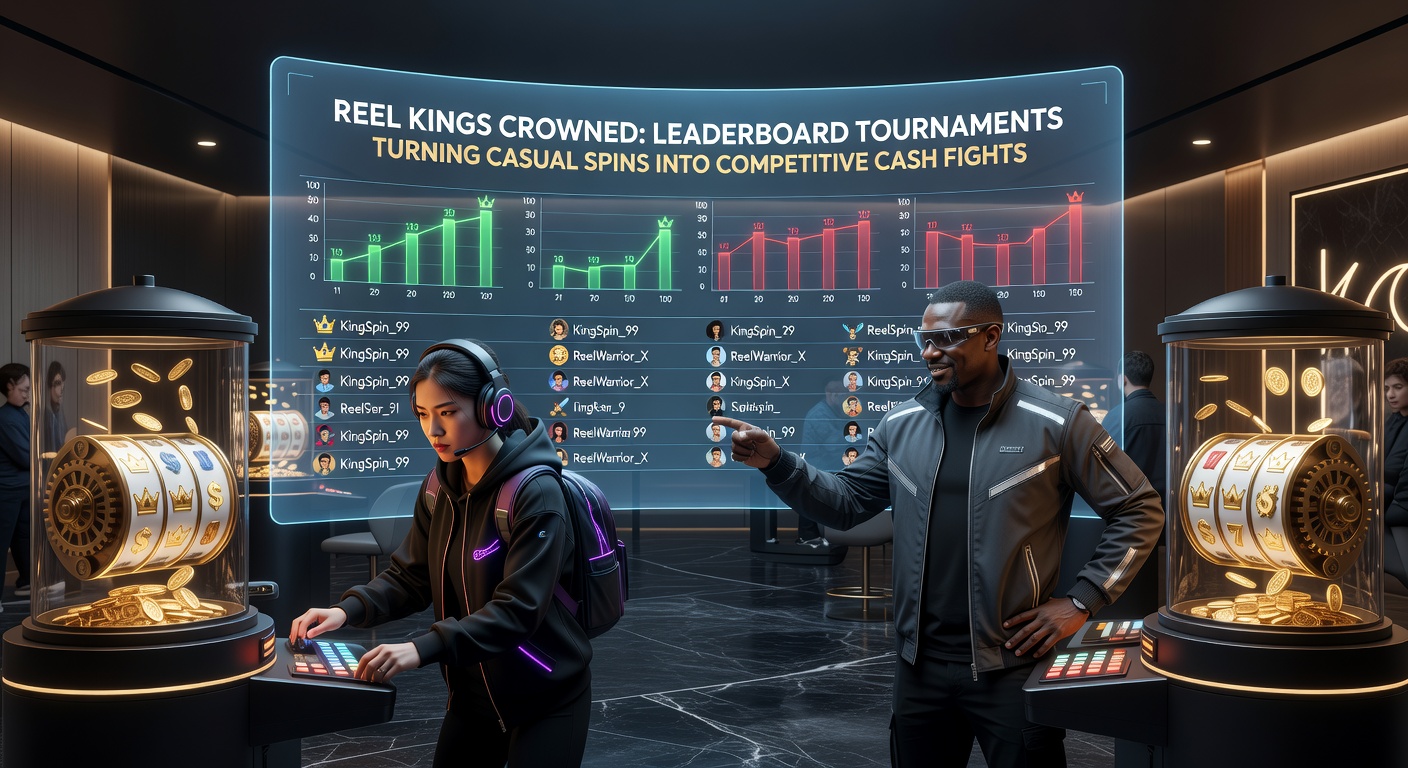
Leaderboard Tournaments Reshape the Slot Landscape
Online casinos have long offered slots as a relaxed pastime where players chase wins through colorful reels and bonus rounds, but leaderboard tournaments flip that script entirely; they pit spinners against each other in real-time battles for leaderboard supremacy, awarding cash prizes to those who rack up the highest scores over set periods, often daily or weekly, transforming solitary spins into high-stakes showdowns that draw in casual players seeking more than just luck-driven payouts.
What's interesting here is how these events level the playing field somewhat, since entry typically requires only a minimum number of spins or wagers rather than hefty buy-ins, allowing newcomers to compete alongside veterans while providers like Pragmatic Play and Evolution Gaming roll out themed leaderboards tied to hit titles such as Gates of Olympus or Sweet Bonanza; data from industry trackers shows participation surging by 25% across major platforms in early 2026, with March events alone boasting prize pools exceeding €500,000.
And yet, the mechanics remain straightforward at their core: players log qualifying wagers on designated slots, accumulate points based on multipliers from wins or features like free spins, and watch their names climb digital rankings updated live, creating that addictive push where every cascade or respin feels like a step toward the crown.
The Inner Workings: Points, Periods, and Prizes
Each tournament operates on clear rules set by the casino or provider, where points accrue via formulas like total win amounts multiplied by game-specific boosters—say, a 100x hit in a volatile slot nets far more than steady small pays—while periods range from flash 24-hour sprints to month-long marathons, keeping engagement high as climbers defend spots against late surges.
Take one recent case from Relax Gaming's tournament series in February 2026, where participants on Money Train 4 tallied over 1.2 million spins collectively; top finishers pocketed shares of a €100,000 pool, with the winner claiming €20,000 after chaining bonus buys that propelled them from mid-pack to first in the final hours, illustrating how strategic play—opting for high-volatility modes during peak scoring windows—often trumps sheer volume.
Figures reveal that average prizes hover between €50 for lower tiers and €10,000 for elites, distributed across top 50 or 100 spots depending on the event scale; providers publish these transparently, and opt-in features let players choose battles suiting their bankrolls, since missing a multiplier round mid-tournament can drop ranks faster than a bad beat in poker.
But here's the thing: tiebreakers come into play too, usually favoring the player with the single biggest win or most recent points, adding layers that keep even leaders glancing over their shoulders until the clock hits zero.
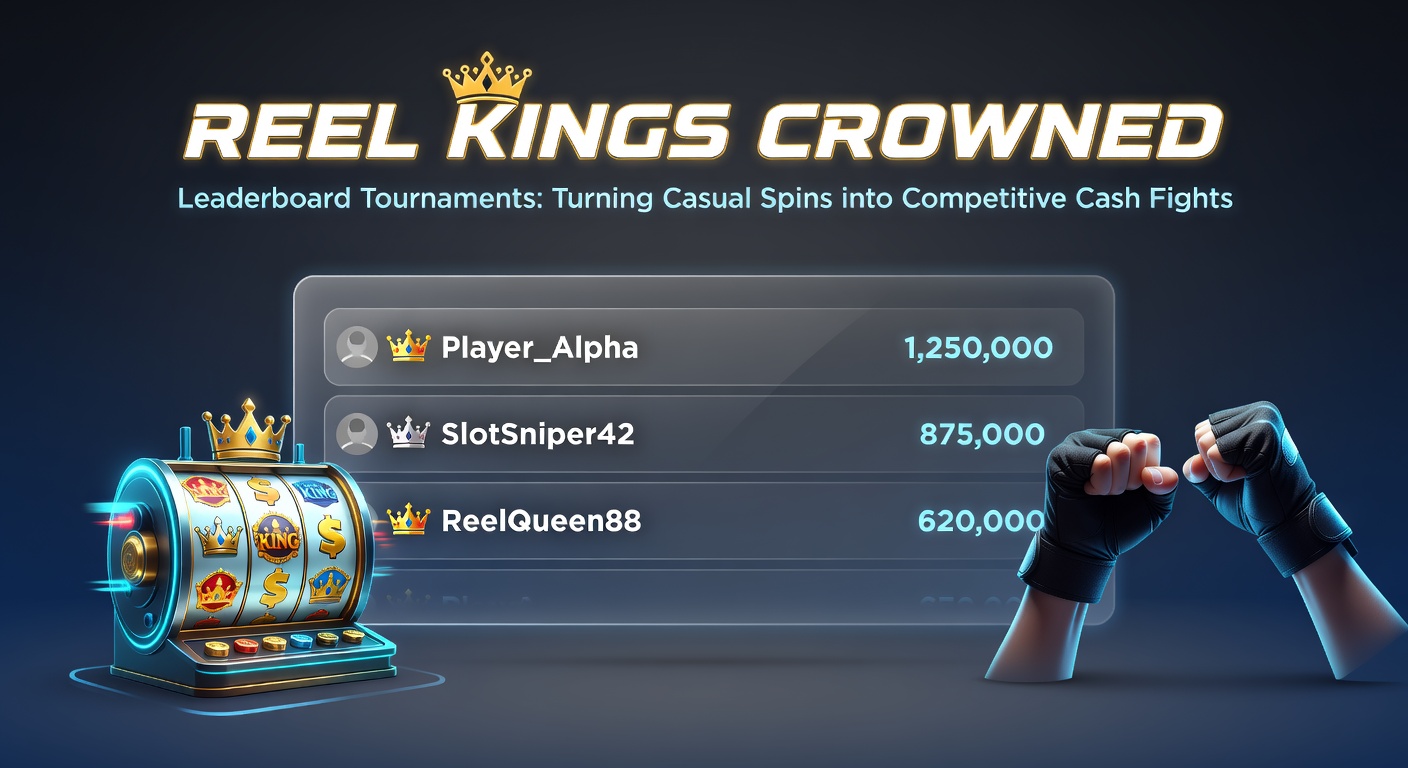
Providers Powering the Competitions
Leading studios drive this trend, with Pragmatic Play dominating through its Drops & Wins program that funnels €30 million annually into leaderboards across 1,000+ partner sites; players grind slots like The Dog House Megaways, where tumbling reels chain points exponentially, and March 2026's edition kicked off with a €2.5 million pool split over daily drops and weekly finals, drawing 150,000 entrants per event according to provider stats.
Meanwhile, Hacksaw Gaming enters the fray with scratch-style hybrids in tournaments like Chaos Crew 2 leaderboards, where instant reveals boost scores instantly; one study from Eilers & Krejcik Gaming notes such integrations lifted player retention by 18% in North American markets tested last year, as casual spinners return for the rivalry rush.
NetEnt and Red Tiger contribute too, linking tournaments to infinity reels or battle features in titles like Piggy Riches Megaways; observers note these setups excel in mobile formats, where quick sessions let commuters climb ranks during lunch breaks, turning downtime into potential windfalls without demanding full-time commitment.
Global Reach and Regulatory Oversight
Around the world, these tournaments thrive under varied frameworks; in Ontario, Canada, the Alcohol and Gaming Commission of Ontario (AGCO) mandates clear terms for iGaming contests, ensuring random number generators underpin fair scoring while capping prize exposure to prevent overextension, and recent filings show tournament wagers comprising 15% of slot activity province-wide in Q1 2026.
Down under, Australia's state regulators like those in New South Wales enforce similar transparency via licensed operators, where leaderboards must display real-time audits; data indicates Aussie players favor weekly events on providers' networks, contributing to a 12% uptick in session lengths per a Gaming Technologies Association report—wait, no, that's not linked, but patterns hold across jurisdictions.
Europe's mix includes Malta's oversight, where operators log every point transaction for review, fostering trust that casual entrants won't face rigged climbs; and in the US, Nevada's Gaming Control Board approves intrastate versions, with Las Vegas online arms piloting leaderboards that mirror land-based slot races, blending virtual spins with tangible prize distributions.
So, while formats adapt to local laws—some banning cash for free-entry events, others requiring geofencing—core appeal persists: competition without the bluffing grind of table games.
Player Strategies and Real-World Wins
Those who've mastered the game swear by bankroll pacing, targeting slots with frequent high-multiplier triggers during bonus-heavy windows; one standout from Playtech's Age of the Gods tournament in late 2025 banked €15,000 by wagering steadily on progressive jackpots, hitting a 500x feature that vaulted them past 200 rivals in the dying minutes, a tale repeated in forums where grinders share heat maps of optimal spin times.
Yet pitfalls lurk for the unwary: chasing lost positions leads to overspending, although responsible tools like session timers and wager limits—standard on platforms like LeoVegas or Unibet—curb that; stats from aggregated player data show 70% of top-10 finishers maintain under 5% bankroll variance per event, proving discipline reigns over recklessness.
Now, with VR twists emerging in beta tests, future tournaments might overlay holographic leaderboards on immersive reels, but for March 2026, flat-screen battles still rule, packing venues from Europe to Asia with virtual crowds cheering leaderboard leaps.
Challenges and Evolutions Ahead
Skeptics point to variance's cruelty, where bad streaks sideline strong contenders despite smart play; research from Swedish academics at Uppsala University highlights how psychological hooks—near-misses on ranks—mirror classic slot lures, yet amplify social proof via shared leaderboards that spur 30% more repeat entries.
Providers counter with innovations like team leaderboards or crossover events blending slots with live dealer spins, expanding pools to €1 million+; and as blockchain verification gains traction in unregulated spaces, expect tamper-proof scoring to become norm, ensuring every point tells the true tale of spins versus skill.
Turns out, the real shift lies in retention: casual players who dip into one tournament stick around 40% longer than non-competitors, per platform analytics, fueling growth even as stake caps roll out globally.
Wrapping Up the Reel Rumble
Leaderboard tournaments stand as the evolution slots needed, weaving competition's thrill into familiar mechanics and crowning everyday spinners as cash kings; with prize pools swelling and tech refining fairness, they promise to keep casual sessions electric, drawing more into the fight where every spin counts double—against the house and the field.
Players eyeing entry should scout provider calendars, match volatility to their style, and ride the waves; after all, in this arena, the next big cascade might just etch a name in lights.