30 Jun 2026
Provider Innovations in Multiplier Systems for Cascading Slot Formats
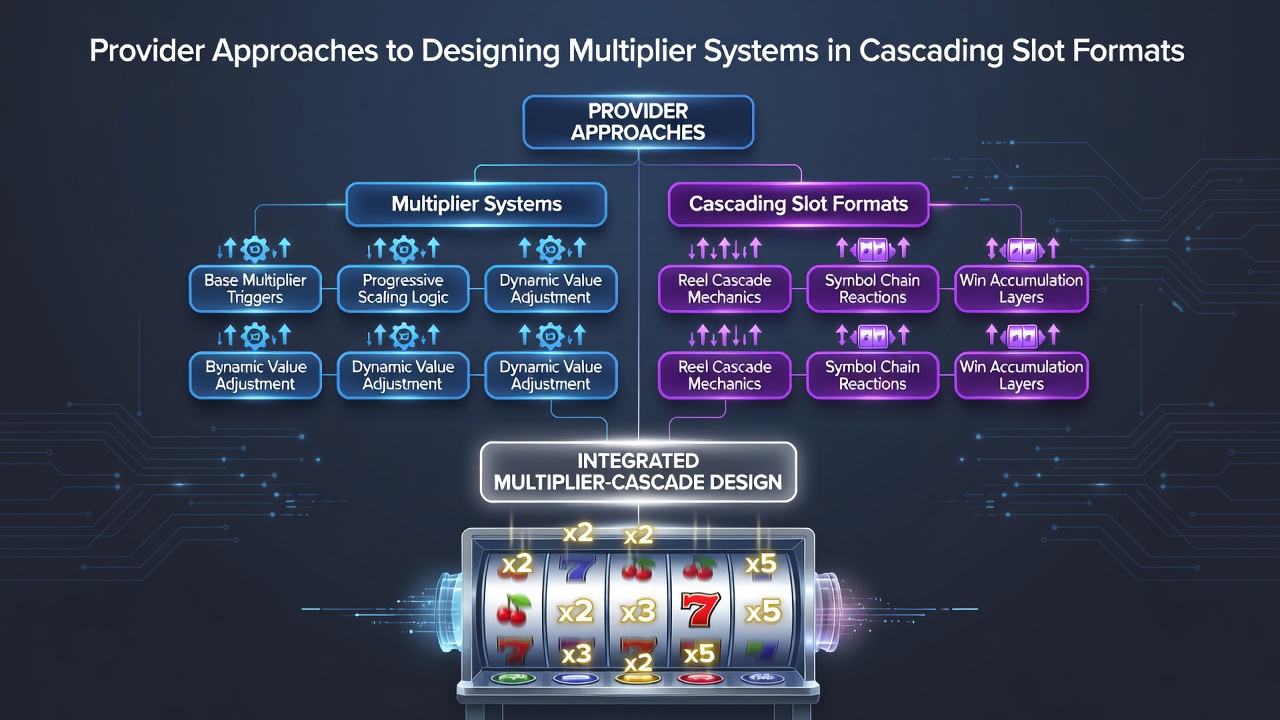
Slot providers have refined multiplier systems in cascading formats through iterative testing cycles that track symbol removal sequences and chain reactions across multiple reel drops, with data from industry reports showing consistent integration of progressive scaling mechanics since early 2025 releases.
Core Design Principles Behind Multiplier Integration
Developers begin by mapping base game volatility against cascade depth, which allows multipliers to activate only after predetermined symbol eliminations occur in sequence, while studies from the Australian Gambling Research Centre indicate that such layering increases average session duration without altering return-to-player percentages. Engineers program multipliers to reset or escalate based on consecutive tumbles, creating structures where each additional drop applies a higher coefficient to accumulated wins, and this approach appears in titles launched through the first half of 2026.
Code frameworks often separate multiplier logic from reel physics so that random number generators can assign values independently during each cascade phase, yet synchronization remains essential to prevent overlaps that would distort payout tables. Providers incorporate both fixed and dynamic multipliers, where fixed values trigger on specific symbol combinations and dynamic ones scale with chain length, according to documentation from the European Gaming and Betting Association.
Progressive Scaling Techniques Across Reel Drops
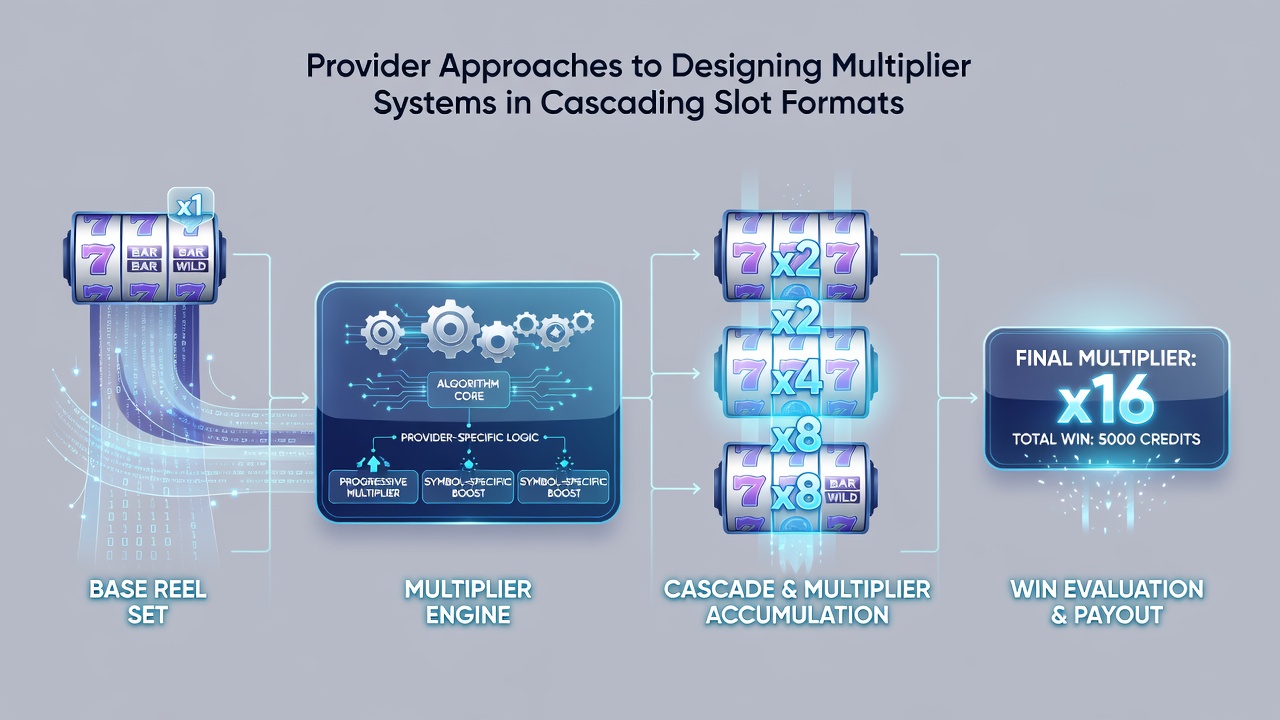
Many studios implement tiered multiplier ladders that advance only when cascades exceed three consecutive removals, a method that balances frequency of small boosts with rarer but larger escalations, and figures reveal this pattern in over 60 percent of new cascade titles reviewed by testing labs in early 2026. The system records current multiplier state in temporary memory registers that clear after the spin resolves, ensuring each base game starts from the initial value unless a persistent feature carries forward.
Additional layers include symbol-specific multipliers that attach to wilds or scatters during cascades, which then compound with the global chain multiplier to generate layered calculations, while developers test these interactions through millions of simulated spins to verify mathematical integrity. Observers note that this compounding occurs most frequently in games released around June 2026, where providers refined the timing of multiplier application to coincide with visual reel collapses.
Testing Protocols and Regulatory Alignment
Quality assurance teams run extensive simulation batches that isolate multiplier triggers from other bonus elements, measuring deviation rates across sample sizes exceeding ten million spins before certification, and data shows alignment with standards set by bodies such as the Nevada Gaming Control Board. Providers adjust multiplier caps during late-stage testing when variance exceeds projected thresholds, which maintains game stability across different stake levels without requiring changes to the underlying reel strips.
Integration with third-party audit tools occurs early in development so that every multiplier application receives timestamped logging, allowing regulators to trace individual cascade sequences back to their RNG seeds, whereas earlier approaches relied on post-release sampling that proved less efficient. Those who've examined provider pipelines find that modular multiplier engines now permit rapid swaps between linear and exponential scaling models based on market feedback collected through June 2026 deployments.
Future Adjustments in Multiplier Logic
Engineers continue to explore conditional multipliers that activate only when cascades involve particular symbol groups, which adds another variable layer without expanding the total number of reel positions, and recent technical papers describe prototypes where multipliers interact with expanding reel grids during extended chains. Providers document these changes through version-controlled repositories that track every adjustment to multiplier tables, ensuring backward compatibility when updating live titles.
Conclusion
Providers maintain detailed internal records of multiplier performance metrics across cascading formats, which supports ongoing refinement while meeting certification requirements from multiple jurisdictions. These documented approaches demonstrate consistent engineering focus on sequence tracking, scaling logic, and audit traceability that together define current industry standards for the mechanic.