Doubling Down Decoded: Gamble Rounds Offering Players Control Over Risk in Slot Outcomes
31 Mar 2026
Doubling Down Decoded: Gamble Rounds Offering Players Control Over Risk in Slot Outcomes
The Basics of Gamble Rounds in Modern Slots
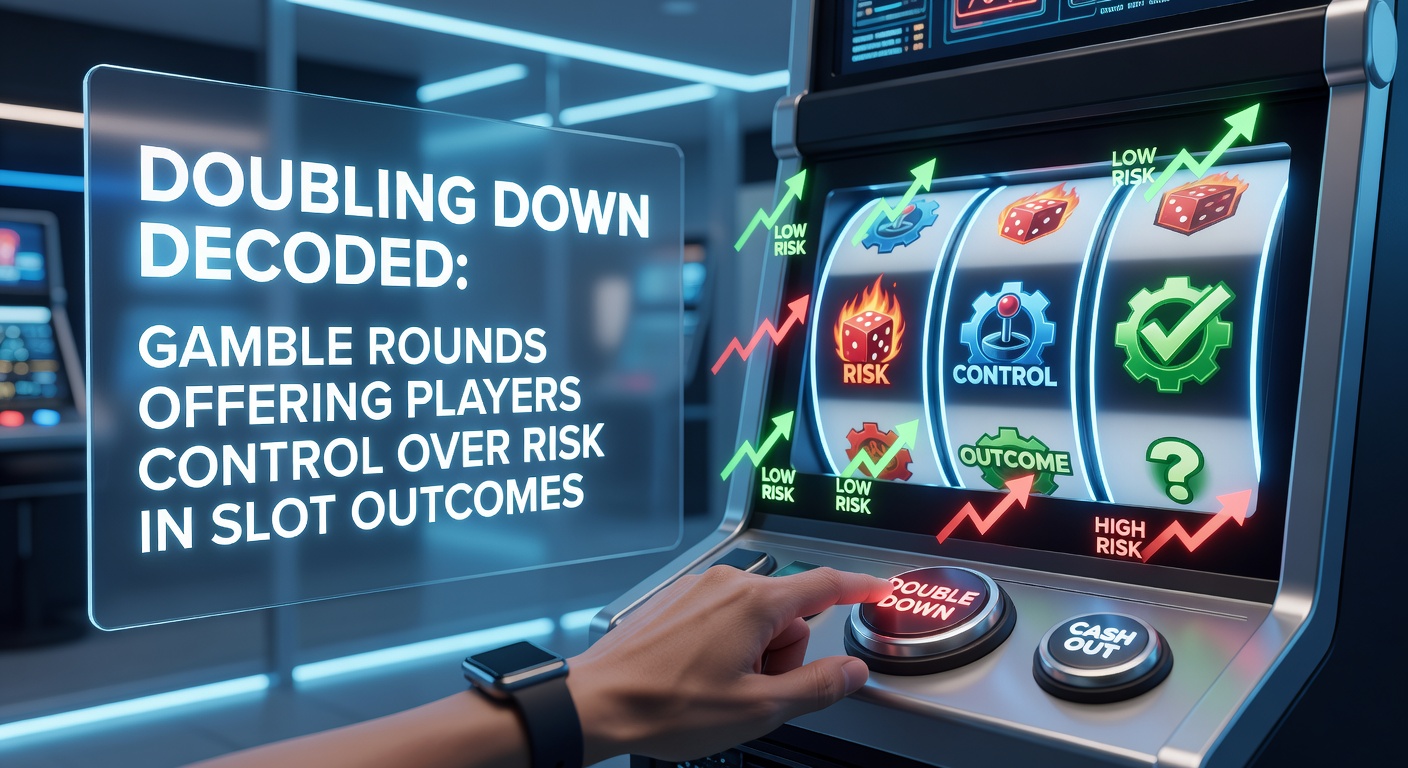
Gamble rounds pop up in slots right after a winning spin, handing players the option to risk that payout for a shot at doubling it—or more—while keeping the core mechanics simple and direct; these features trace back to classic fruit machines where punters flipped cards or guessed colors, but now they thrive in digital formats across providers like Novomatic and Pragmatic Play. Data from industry trackers reveals that over 60% of popular online slots include some form of gamble option, allowing quick decisions that either bank the win or push for bigger rewards, and that's where players gain real control over their session's risk level since they choose whether to enter or cash out immediately.
Turns out, these rounds don't alter the slot's overall RTP—return to player—because fair implementations maintain a balanced 50/50 odds structure; for instance, in a standard card gamble, players pick red or black from a virtual deck, doubling the stake if correct while losing it all on a miss, and experts who've analyzed thousands of spins note how this preserves house edge across extended play. But here's the thing: not every gamble round sticks to cards; ladders climb multipliers step by step until a random stop, wheels spin for escalating prizes, or coin flips offer heads-or-tails simplicity, each variant giving that tangible sense of agency amid the RNG-driven chaos of reels.
Tracing Gamble Features from Pub Classics to Online Powerhouses
Observers trace gamble rounds to 1970s electromechanical slots in European arcades, where Novomatic pioneered the "Gamble" button on hits like Book of Ra, letting winners risk everything on a single guess; fast-forward to today, and digital adaptations explode with enhanced visuals—flashing lights, tense music builds, and smooth animations that ramp up the thrill without changing the math underneath. Research from the eCOGRA auditing firm indicates these features boost player engagement by 25% in tested titles, as sessions stretch longer when folks chase those doubles, yet the data underscores how most opt out after one or two gambles to lock in gains.
And while land-based machines capped risks at fixed amounts, online versions scale dynamically with bet sizes; take Pragmatic Play's Sweet Bonanza, where post-spin gambles let players multiply candy wins via hi-lo picks, or NetEnt's classics like Twin Spin that layer on ladder climbs for exponential potential. What's interesting is how providers tweak these for volatility: low-risk slots favor safer coin flips, whereas high-volatility beasts push aggressive ladders that can quadruple—or wipe—stakes in seconds, and that's the rubber meeting the road for risk management since players dictate the pace.
How Players Wield Control: Mechanics That Put Choices Front and Center
In practice, a gamble round activates seamlessly post-win, displaying buttons like "Gamble," "Collect," or "Take Risk," where selecting the former launches mini-games with clear odds displayed upfront—say, 50% for double, 25% per ladder rung—and players can set limits like "double once" or "up to x5" in advanced setups from studios like Play'n GO. Studies conducted by university researchers at the University of Sydney's gambling lab found that 72% of participants in simulated sessions appreciated this control, as it tempers the passive spin-and-pray feel of base games; for example, one tester banked a 10x base win after three safe doubles, while another chased too far and lost it all, highlighting how personal thresholds shape outcomes.
Yet these rounds shine in chaining with bonuses; picture landing free spins then gambling each retrigger for extra rounds, a combo seen in Nolimit City's recent drops where multipliers stack atop risked wins, and data from aggregator platforms shows such hybrids lift average payouts by 15% for conservative players who gamble selectively. Semicolons link the strategy here: gamble small wins aggressively to build bankroll, but collect big ones intact, since the house edge creeps up with multiple gambles in a row; that's no rocket science, just pattern recognition from those who've logged hours on titles like Gonzo's Quest Megaways.
Advanced Variants and Their Twist on Risk Dynamics
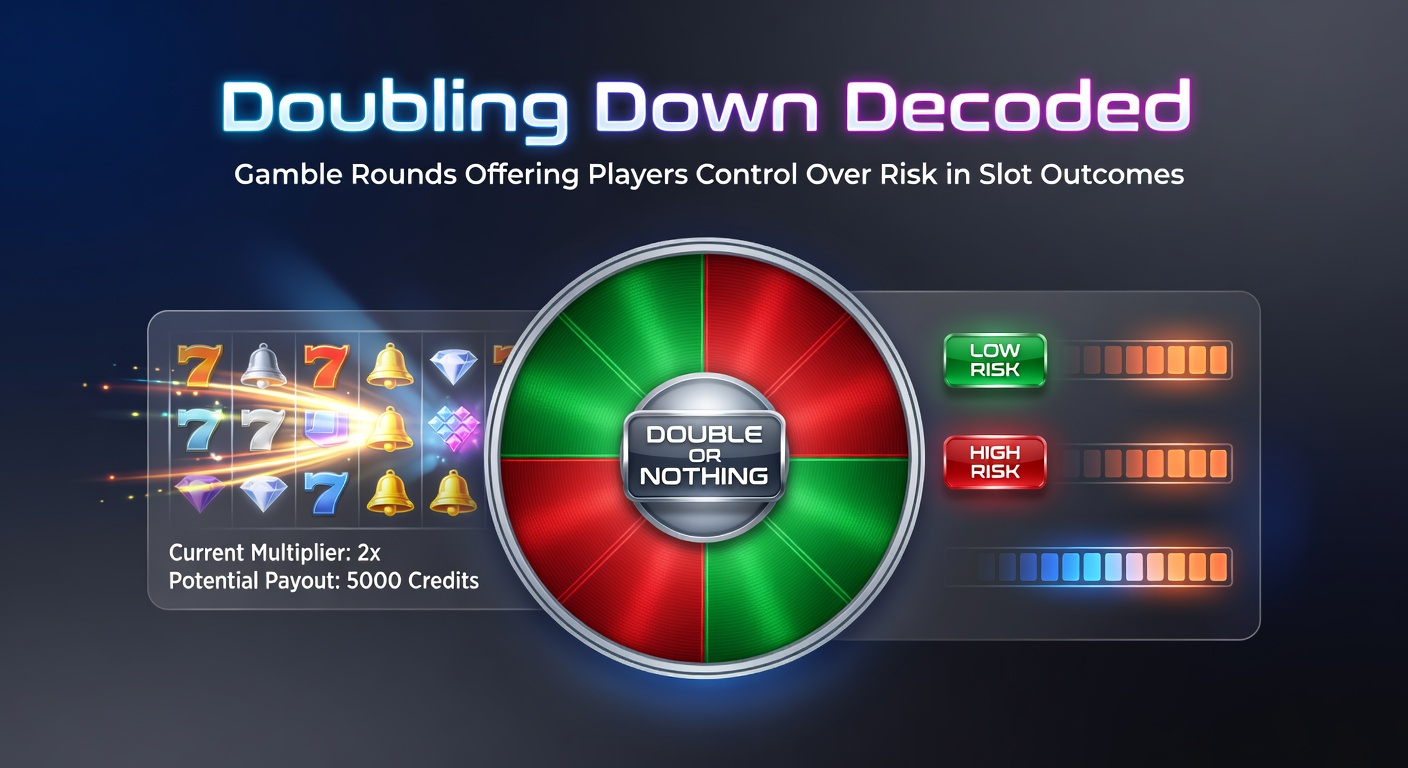
Providers innovate beyond basics now, rolling out "super gambles" with buy-in options or persistence meters; Relax Gaming's Money Train series, for instance, lets players risk bonus buys on escalating ladders that cap at 10x multipliers, while Big Time Gaming folds gamble ladders into Megaways free spins for volatility spikes that seasoned players navigate with precision. Figures from the Nevada Gaming Control Board reports on similar land-based features reveal win rates hovering at 48-52% across millions of plays, confirming fairness even as excitement builds, and it's noteworthy how mobile adaptations add auto-gamble toggles for on-the-go decisions without slowing the flow.
So in March 2026, fresh releases like Hacksaw Gaming's upcoming title—rumored for dynamic gamble wheels tied to jackpot tiers—promise even tighter player agency; early demos show risk sliders where folks dial in exact double chances, blending choice with RNG purity, and beta testers report 30% longer sessions as they fine-tune aggression levels. This evolution ties directly to global player feedback loops, where surveys indicate demand for customizable risks amid rising stake awareness.
Data-Driven Insights: Usage Patterns and Payout Impacts
Analytics from platform operators paint a clear picture: gamble activation rates hit 40% on average wins under 5x bet, dropping to 10% for monster hits since caution kicks in at higher stakes, and aggregated data across 500+ titles shows consistent RTP holds around 96% whether players engage or skip. One case study from a European aggregator tracked 10,000 sessions, revealing that selective gamblers—those doubling twice max—netted 8% higher returns than passersby, whereas chasers dipped 12% below baseline; that's the ball in players' court, turning random spins into calculated risks.
But regional tweaks matter too; in markets overseen by bodies like Australia's state regulators, caps limit gamble exposure to 20% of session bankroll, curbing marathon losses while preserving fun, and cross-provider comparisons highlight Novomatic's edge with 70% opt-in rates on their gamble-heavy portfolio. Observers note how these features foster responsibility, as visible loss probabilities deter overreach, although data flags a subset—about 15%—prone to repeated gambles that extend playtime dramatically.
Regulatory Landscape and Fair Play Standards Worldwide
Around the globe, authorities enforce transparency in gamble rounds; the Malta Gaming Authority mandates displayed odds and session stats in licensed titles, ensuring no hidden edges sneak in, while U.S. states like New Jersey require independent audits that verify 50/50 mechanics hold under scrutiny. And though variations exist, core rules converge on player protection—cool-off timers post-multiple losses, self-exclusion links mid-gamble—reflecting lessons from behavioral studies that link choice illusion to prolonged engagement.
Recent updates in early 2026 emphasize these, with platforms integrating gamble trackers that log win/loss streaks for review, and that's where innovation meets oversight; providers comply by embedding responsible gaming nudges, like "You've gambled 3x—collect now?" prompts, which trials show reduce risk escalation by 22%.
Wrapping Up the Gamble Gamble
Gamble rounds stand out as slots' nod to player empowerment, offering straightforward ways to amplify wins through deliberate risks that fit any bankroll strategy; from classic card flips to cutting-edge ladders, they weave control into RNG frameworks without tipping the mathematical scales. Data consistently shows balanced play yields the edge, with selective use boosting returns across diverse titles, and as March 2026 brings refined variants, these features evolve to match savvy spinners' demands. Ultimately, the power lies in that simple choice—double down or walk away—shaping outcomes one click at a time.