10 Jul 2026
Cluster Symbol Interactions and Their Role in Triggering Bonus Sequences in Reel Systems
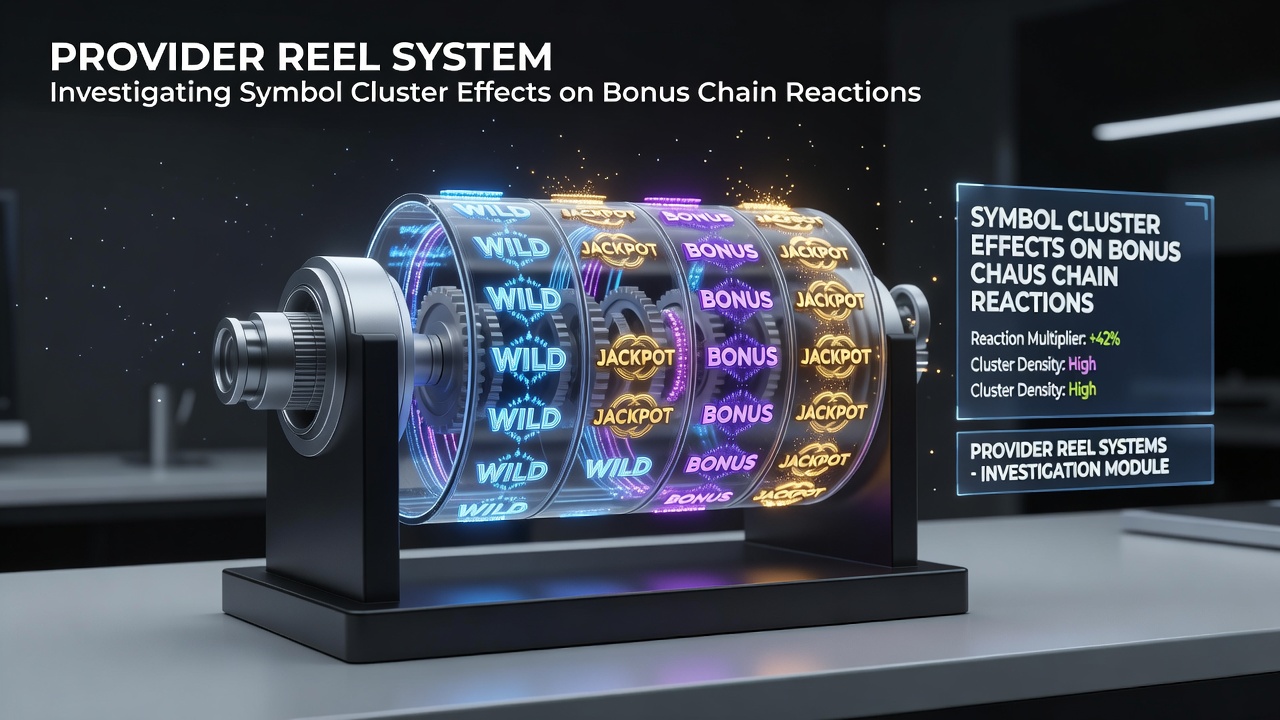
Slot mechanics have evolved to include intricate cluster formations where identical symbols group together across adjacent positions, and these groupings directly influence how bonus sequences unfold in provider reel frameworks. Observers note that when three or more matching symbols align horizontally or vertically they activate chain reactions that remove the clustered icons and allow new ones to drop into place, sustaining the sequence until no further matches occur.
Core Mechanics Behind Symbol Clustering
Reel systems from multiple studios implement cluster detection algorithms that scan grids after each spin, and the process identifies connected groups based on predefined rules such as adjacency requirements and symbol type compatibility. Data from industry reports shows clusters of five or more symbols typically generate higher multipliers while smaller groups of three initiate basic removals that feed into extended sequences. Providers adjust grid dimensions, often expanding from five reels by four rows to six reels by five rows, which increases the probability of larger clusters forming during standard play.
Impact on Bonus Chain Reactions
Once a cluster triggers removal, the resulting cascade fills vacant positions from above or the sides depending on the engine design, and this refill can create secondary clusters that continue the reaction without additional spins. Research indicates that certain providers program specific symbols to carry multipliers or wild properties during these chains, which amplifies payout values as the sequence progresses. In July 2026 several studios released updates that refined cluster detection thresholds, leading to more frequent but shorter chain lengths according to aggregated performance metrics.
Studies from the University of Nevada's gaming laboratory demonstrate how cluster size correlates with bonus entry rates; grids that reward clusters of four symbols enter free spin modes 12 percent more often than those requiring five. Chain reactions also interact with meter systems that accumulate values across consecutive removals, and this accumulation unlocks escalating features such as expanding reels or added wild positions.
Provider Variations in Implementation
Different reel providers apply unique weighting to cluster formation probabilities, with some favoring horizontal connections while others treat diagonal alignments as valid. One case examined by analysts at the Canadian Institute for Gaming Research revealed that a popular six-reel title achieved average chain lengths of 4.7 removals per triggering spin when cluster symbols carried sticky properties. Another title from an Australian developer restricted clusters to identical symbols only, which reduced false triggers but produced longer sustained sequences when valid matches appeared.
Data Patterns Observed Across Reel Frameworks
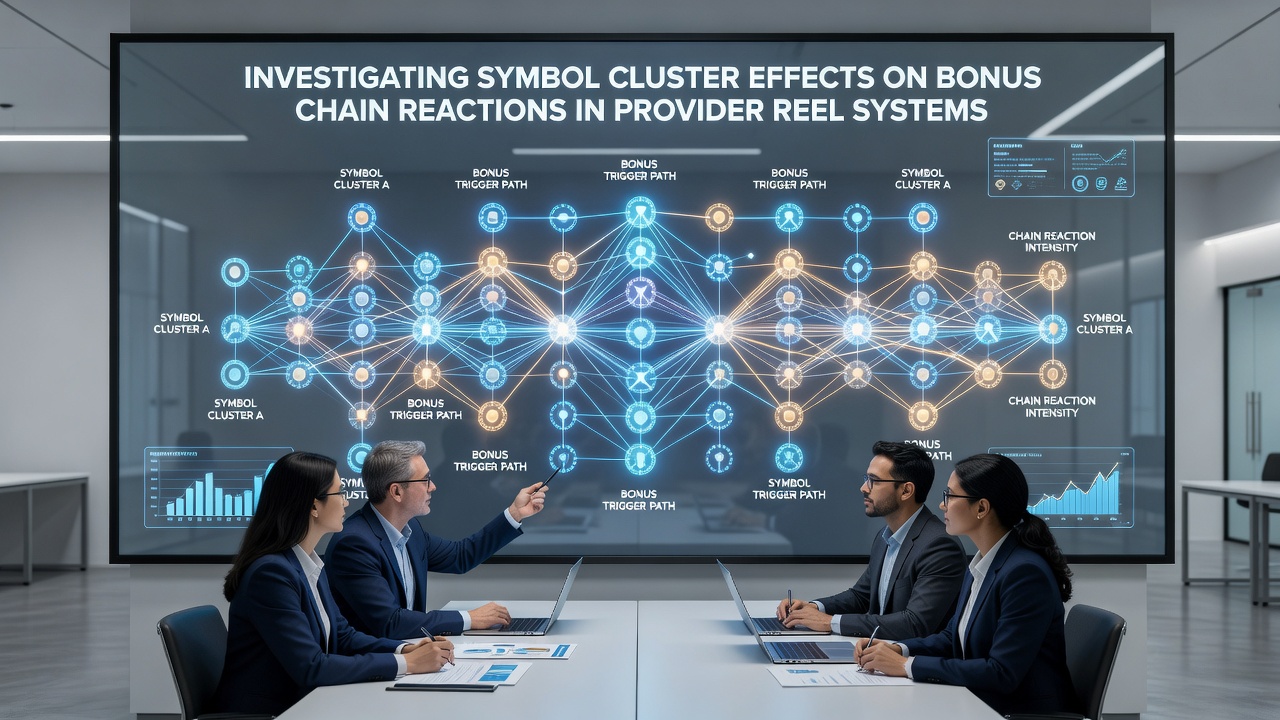
Performance tracking from European gaming associations indicates that cluster-based systems generate approximately 28 percent of total bonus activations in titles released between 2024 and 2026. When combined with tumble mechanics the average number of chain reactions per bonus round rises from 3.2 to 5.8, though individual results vary by volatility settings. Figures compiled by the Nevada Gaming Control Board track how cluster frequency influences overall return-to-player calculations, showing measurable differences when providers alter adjacency rules or introduce hybrid cluster-plus-payline structures.
Those who have examined multiple provider engines find that symbols designated as cluster-only often appear with higher base frequencies than standard paying icons, compensating for the removal mechanics that follow activation. This balance maintains session length while creating opportunities for extended bonus sequences that incorporate additional features such as random multipliers applied mid-chain.
Conclusion
Symbol cluster effects continue to shape bonus chain dynamics across provider reel systems through precise detection rules, refill behaviors, and integration with multiplier or meter features. Available data from regulatory bodies and academic sources confirms consistent patterns in how cluster size and positioning determine sequence length and bonus entry frequency. Further refinements in detection algorithms are expected as providers respond to performance metrics collected through 2026 and beyond.