26 Jul 2026
Cluster Pay Mechanics Alter Win Structures in Independent Studio Reel Games
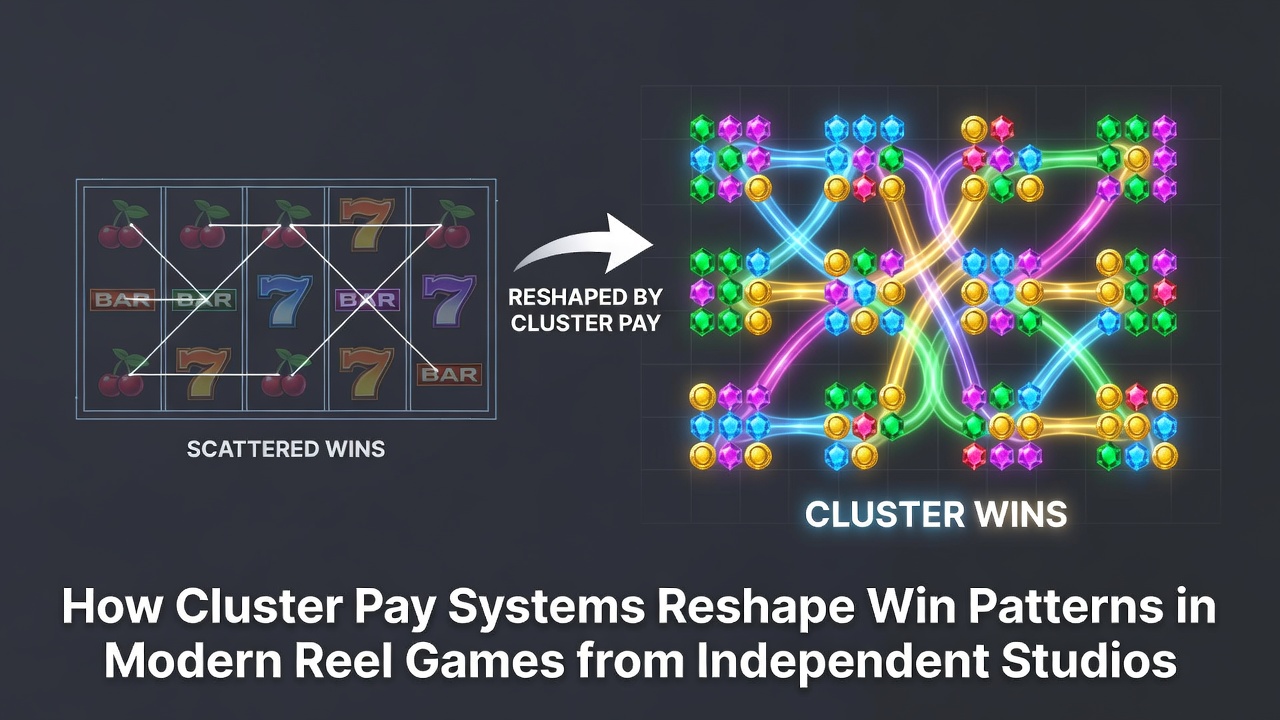
Cluster pay systems have shifted how wins form in reel games developed by independent studios, moving away from fixed paylines toward groupings of adjacent symbols that create payouts based on size and position. Developers such as those behind titles released in early 2026 have integrated these mechanics to produce variable win patterns that respond to symbol placement rather than preset lines.
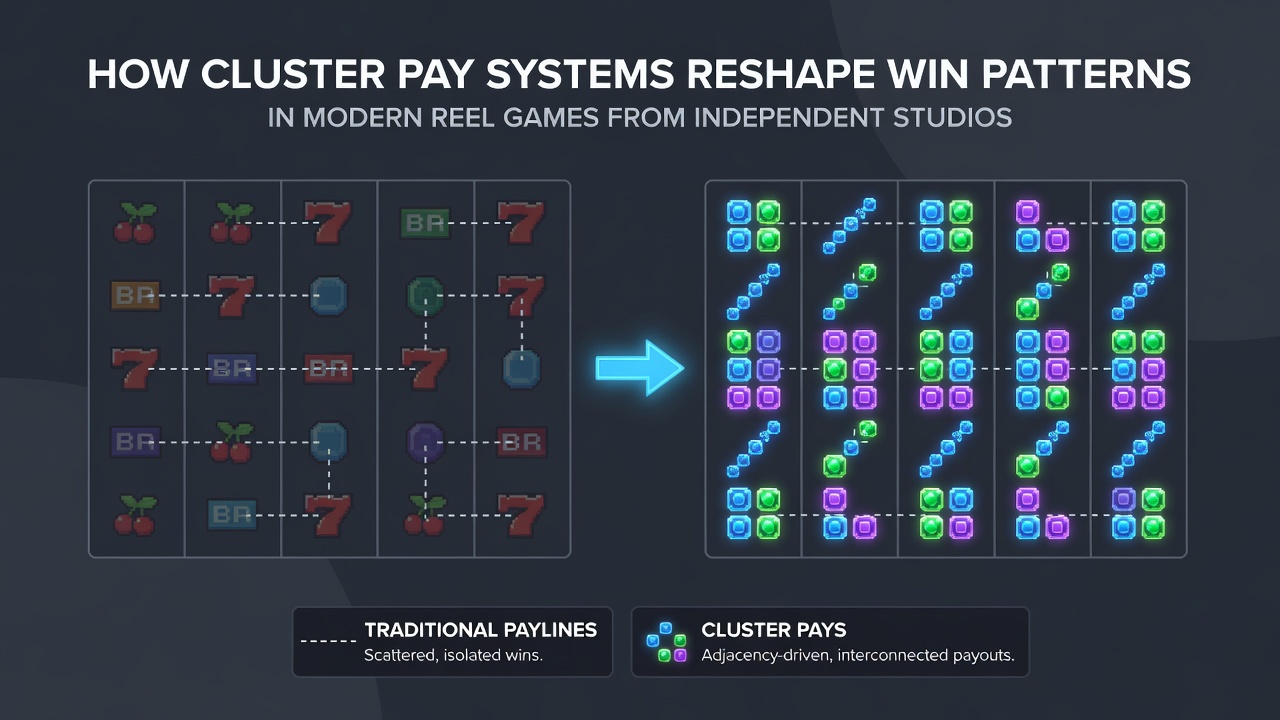
Traditional payline structures require symbols to align in specific rows across reels, yet cluster systems recognize matches when identical symbols occupy connected positions horizontally or vertically. This change allows wins to occur in irregular shapes, and independent studios have used the flexibility to introduce larger reel grids that support hundreds of potential cluster combinations in a single spin.
Mechanics Behind Cluster Formation and Pattern Variation
Independent studios program cluster detection algorithms to scan for groups of five or more matching symbols that share edges, with larger clusters delivering scaled payouts. Data from game testing reports shows that these systems increase the frequency of smaller wins while reducing reliance on exact line matches, and many titles add removal sequences where winning symbols disappear to let new ones fall into place.
Studios have layered multipliers onto cluster formations, so consecutive clusters in the same spin can compound rewards before the round ends. Observers note that this structure creates chain reactions that traditional paylines rarely produce, and the approach appears in games launched throughout 2025 and into July 2026.
Impact on Reel Grid Design and Symbol Behavior
Cluster pay implementations often pair with expanded grids, such as 6x6 or 7x7 layouts, which independent developers favor because they accommodate more symbols and raise the chance of multiple clusters forming simultaneously. Research from gaming technology firms indicates that these larger grids redistribute win probabilities, and symbols no longer need to follow straight or diagonal paths.
Wild symbols in cluster games frequently expand to fill adjacent spaces or transform neighboring icons, further altering pattern outcomes. One study of mechanics released in 2025 found that such expansions can connect separate clusters into single large groups, and this interaction has become common in productions from smaller studios seeking differentiation.
Integration with Bonus Features and Progressive Elements
Many independent studio releases combine cluster pays with free spin rounds where grid size increases or special symbols appear more often, and these modifications extend the duration of cluster-building sequences. Figures from industry performance trackers reveal that such bonuses contribute to extended play sessions because each removal cycle can generate additional clusters without requiring a new wager.
Progressive jackpot triggers sometimes activate when clusters reach specific sizes or when particular symbol types combine, and developers adjust probability tables to balance these events across different bet levels. According to reports from the American Gaming Association, cluster-based progressives have appeared in regulated markets outside traditional payline dominant regions, broadening the geographic reach of these titles.
Player Interaction Patterns and Session Data Trends
Session analytics collected by platform operators show that cluster pay games produce more variable win distributions than fixed-line counterparts, with frequent small clusters punctuated by occasional large formations. Independent studios monitor these patterns during certification processes required by bodies such as the Malta Gaming Authority, ensuring compliance while preserving the dynamic feel of the mechanics.
Developers have introduced features where players can influence cluster potential through pre-spin selections, such as choosing symbol modifiers that persist for several rounds. Data compiled in academic papers on digital gaming mechanics, including work referenced through the University of Nevada, Las Vegas gaming research archives, documents how these choices shift outcome distributions without altering overall return percentages.
Conclusion
Cluster pay systems continue to influence reel game design from independent studios by redefining how symbols interact and how wins accumulate across spins. The mechanics support larger grids, removal sequences, and layered bonuses that create distinct pattern outcomes compared with earlier payline formats. As development cycles progress through 2026, further refinements in cluster detection and symbol behavior are expected to maintain the approach as a core element in new releases.