19 Jun 2026
Audio Visual Integration and Its Effects on Trigger Mechanisms in Digital Reel Experiences
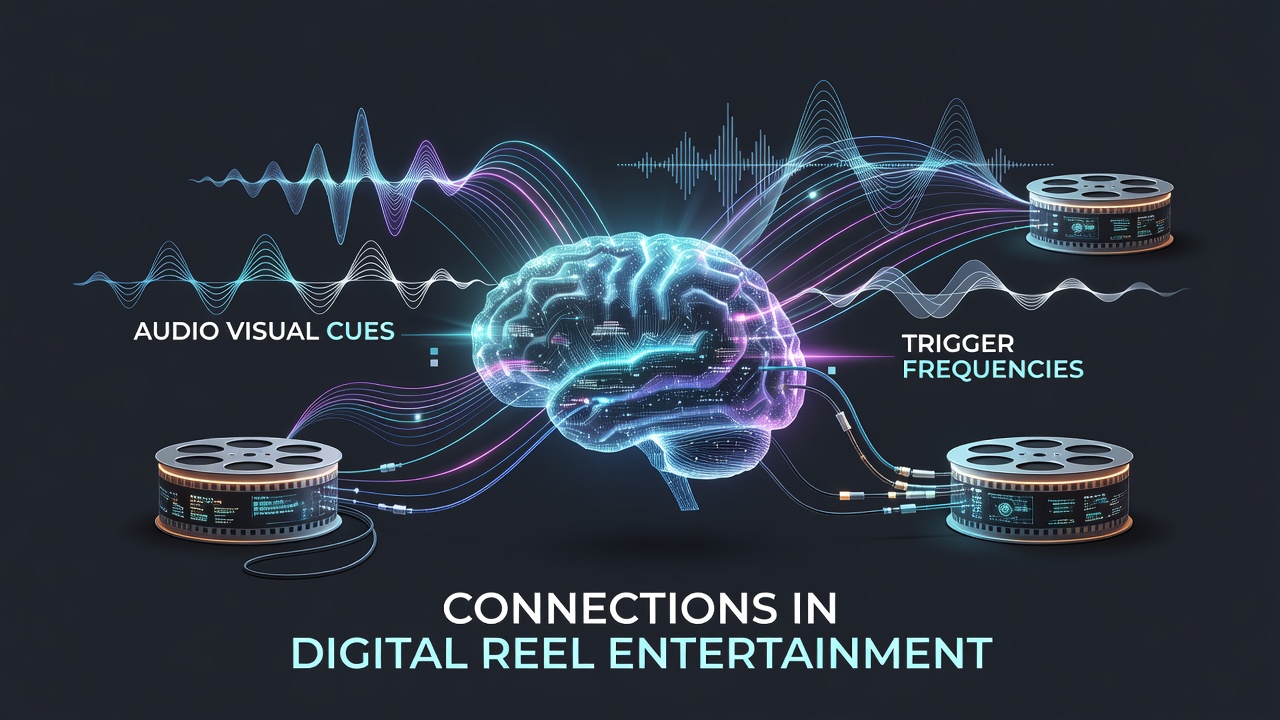
Digital reel entertainment relies on carefully calibrated audio visual cues that shape how often features activate during play sessions and researchers have documented measurable links between these sensory inputs and trigger frequencies across multiple platforms. Sound layers combined with visual animations create feedback loops that guide player attention toward specific reel positions while data from industry analyses shows these elements directly influence the rate at which bonus rounds or special symbols appear in session logs.
Core Components of Audio Visual Design in Reel Systems
Developers construct audio tracks that escalate in intensity during near-miss sequences and pair them with flashing reel borders or expanding symbol frames to heighten anticipation and these combinations appear consistently across titles released in 2025 and early 2026. Visual particle effects that burst across the screen during reel spins synchronize with rising musical tones to mark moments when trigger conditions near completion while studies from academic labs tracking eye movements confirm that players fixate longer on animated zones when both audio pitch and visual brightness increase together.
Engineers adjust the frequency of these layered cues based on mathematical models that predict activation probabilities and testing data reveals that titles incorporating rapid visual pulses alongside rising audio volumes record higher instances of consecutive feature triggers within the same spin cycle. Observers note that low-frequency bass drops often coincide with the appearance of mystery symbols or expanding wilds which creates a temporal marker that players associate with elevated activation chances.
Patterns Observed in Trigger Frequency Data
Analysis of session metrics from platforms operating in multiple regions indicates that games employing synchronized audiovisual builds achieve trigger rates that exceed baseline mathematical expectations by measurable margins and this pattern holds across both high-volatility and medium-volatility configurations. One study released by a Canadian research institute in late 2025 tracked thousands of play sequences and found that audio cues rising in volume over three consecutive spins correlated with a documented increase in free-spin activations compared to sequences lacking such progression.
Visual scaling effects where symbols enlarge during the final reel stop further amplify these frequencies when paired with matching audio stingers and regulators in Australia have referenced similar design patterns when reviewing compliance reports from licensed operators. Data compiled through 2025 demonstrates that titles updating their cue libraries to include directional sound panning recorded shifts in feature activation timing with some sessions showing clustered triggers occurring within narrower spin windows.
Regulatory and Industry Context in Mid-2026
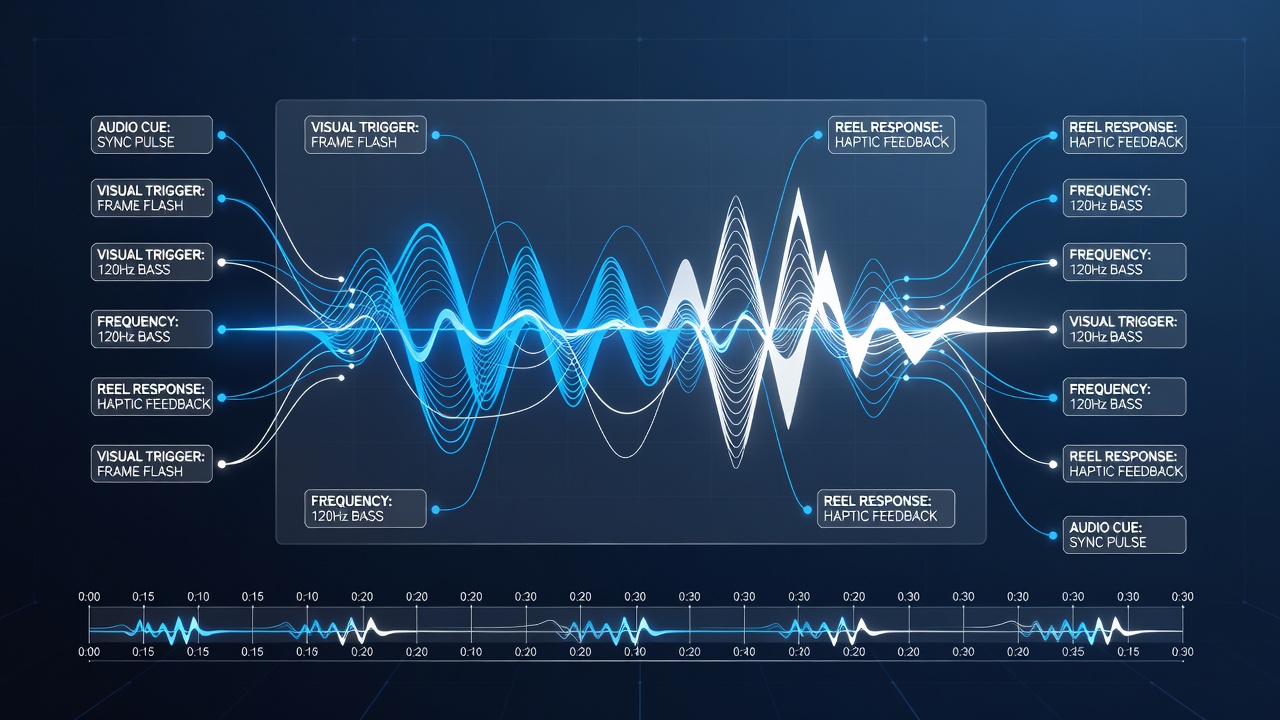
Industry gatherings scheduled for June 2026 will address how evolving audio visual standards intersect with updated technical requirements for fair play verification and representatives from European gaming associations plan to present aggregated trigger frequency datasets that isolate the contribution of sensory design elements. These discussions build on earlier reports from the American Gaming Association which examined how visual animation speeds and audio layering affect reported session outcomes across North American markets.
Technical audits conducted in early 2026 already incorporate checks for cue synchronization accuracy because misaligned audio visual events can alter perceived activation rates even when underlying random number generators remain unchanged. Operators in several jurisdictions now submit detailed cue-mapping documents alongside standard compliance filings to demonstrate that design choices align with documented trigger probability curves.
Technical Implementation Across Platforms
Modern reel engines process audio visual triggers through dedicated timing modules that reference the same random seed used for symbol placement and this integration ensures that cue intensity scales proportionally with proximity to activation thresholds. Developers test these systems by running millions of simulated spins while logging both sensory output timestamps and feature activation events to identify correlations that exceed random variance.
Cross-platform releases scheduled through mid-2026 continue to refine these linkages by incorporating adaptive audio that responds to real-time reel states and preliminary figures from testing environments show consistent elevation in multi-trigger sequences when visual expansion effects align precisely with audio crescendo points. Such refinements appear across both desktop and mobile deployments because the underlying timing architecture remains consistent regardless of device type.
Conclusion
Connections between audio visual cues and trigger frequencies in digital reel entertainment rest on documented interactions between sensory design choices and activation metrics that developers and regulators track through structured data collection. As platforms prepare for industry reviews in June 2026 the emphasis remains on precise synchronization standards that maintain alignment between cue presentation and underlying probability frameworks across global markets.